
A naturalized Chinese was arrested for allegedly stealing trade secrets developed for use by the U.S. government to detect nuclear missile launches and track ballistic and hypersonic missiles. Chenguang Gong, 57, of San Jose,is charged in a criminal complaint with theft of trade secrets. For least eight years prior to his arrest, Gong participated in PRC Government-sponsored talent programs. Gong transferred more than 3,600 files from HRL Laboratories, a research and development company owned by The Boeing Company to personal storage devices during his brief tenure with the company last year. Gong worked for HRL from January through April 2023.
Commerce Secretary Gina Raimondo has announced the creation of the U.S. AI Safety Institute Consortium (AISIC), which will unite AI creators and users, academics, government and industry researchers, and civil society organizations in support of the development and deployment of safe and trustworthy artificial intelligence (AI). The consortium will be housed under the U.S. AI Safety Institute (USAISI) and will contribute to priority actions outlined in President Biden’s Executive Order, including developing guidelines for red-teaming, capability evaluations, risk management, safety and security, and watermarking synthetic content.
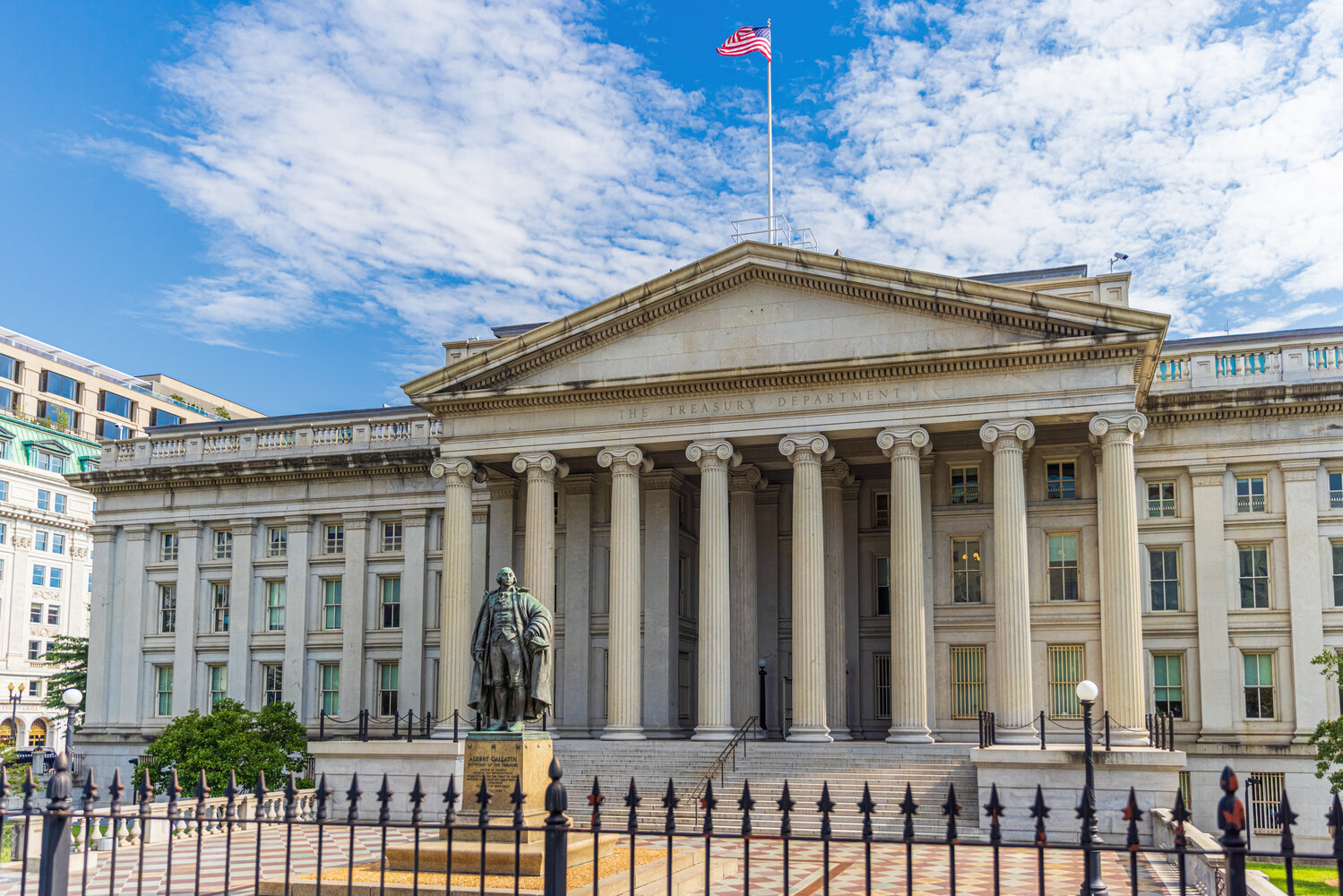
The Foreign Investment Regulations Putting Buyers, Sellers, and M&A Practitioners at Risk: In recent memory, enforcement of the Committee on Foreign Investment in the United States (“CFIUS” or the “Committee”) regulations has been mostly limited and sporadic. But recently, the U.S. government is reviving and enhancing these regulations as a direct response to the national security and foreign policy concerns ensuing from an increasingly tumultuous geopolitical environment. A CFIUS due diligence review is fundamentally related to export control laws and regulations — even for businesses that have never engaged in any exports.
The proposed rule would amend the Bureau of Industry and Security’s (BIS) Defense Priorities and Allocations System (DPAS) regulation by providing administrative changes to well-established standards and procedures. This proposed rule would: clarify existing standards and procedures by which BIS may provide Special Priorities Assistance (SPA); revise Schedule I to provide transparency and differentiation between other departments’ priorities jurisdiction and the Department of Commerce’s jurisdiction; and provide technical edits to reflect certain non-substantive updates since the DPAS regulation was last amended in 2014, including providing updated contact information, legal citations, and definitions.
Four Chinese nationals are charged in an indictment in the District of Columbia with various federal crimes related to a years-long conspiracy to unlawfully export and smuggle U.S.-origin electronic components from the United States to Iran.

Assistant Attorney General for National Security Matthew Olsen, Director, BIS Office of Export Enforcement John Sonderman and OEE Deputy Director Dan Clutch headline the Advanced Forum on Global Export Controls in Washington, DC February 28 & 28.
The primary focus of Commerce's export enforcement activities this year will be high-profile cases coordinated with other agencies, both in the US and in league with allied counterparts. In a discussion sponsored by Baker McKenzie January 30, Assistant Secretary for Export Enforcement Matt Axelrod shared his thoughts on the evolving state of Export Control, and his expectations for the coming year.

The European Commission has issued new Guidelines on data gathering and processing on export controls. This follows the Commission White Paper on export controls, released Thursday 25 January, which highlights the need to fully implement the EU’s dual-use regulation. The Guidelines set out in detail the process for the collection of licensing data by the European Commission and the competent authorities of the Member States. The White Paper suggests several measures, including the reinforcement of uniform controls in the EU, establishing a forum for political coordination on export controls, enhancing the coordination of new National Control Lists, and moving forward the evaluation timeline of the Dual-use Regulation.

A group of Democratic lawmakers has called for the Commerce Department to strengthen export controls and end-use checks for firearm exports. The letter comes as Commerce prepares for the expiration of its 90-day pause on export approvals of certain firearms and related components.
Commerce officials announced the arrrest of a Los Angeles man for his alleged involvement in a years-long scheme to secure and unlawfully export sensitive technology from the United States for the benefit of a Russian business.

Commerce’s Bureau of Industry and Security (BIS) is conducting a comprehensive assessment of the use of mature-node semiconductor devices (legacy chips) in the supply chains that support—directly or indirectly—U.S. national security and critical infrastructure.

Assistant Secretary for Export Enforcement Matt Axelrod announced enhancements and expansions of the Bureau's Voluntary Self-Disclosure program, including simplified reporting, e-mail submittals and expedited handling of corrective action for unlawfully exported items. In a speech January 16 at NYU School of Law’s Program on Corporate Compliance and Enforcement Mr. Alelrod described the changes, along with an engaging history of the jukebox, details of which can be found in the complete speech.
The Commerce Department plans to announce a department-wide national security strategy in the coming weekS to address major priorities and move forward on its mission to “protect, promote and preserve our national security,” according to Deputy Secretary Don Graves. Commerce is playing a greater role in protecting national security than ever before, Mr. Graves said. “New landmark legislation has made it possible for us to meet our major national security challenges head-on – from chips and semiconductors to revitalizing America's industrial base and unleashing technology innovation. And we are looking to sustain and expand that role in the days ahead.” He spoke at the launch of the National Foreign Trade Council’s Alliance for National Security and Competitiveness. The Deputy Secretary offered no details about the upcoming strategy. But he told the gathering that new methods for responding to national security are needed. “At the Department of Commerce, we are focused on national security more than ever. We are investing in our tools today to ensure we’re prepared for whatever challenges we may face in our future national security environment.” Export Controls One of the tools at Commerce’s disposal is the implementation of export controls to ensure that the US private sector’s technological innovation is not diverted to destructive ends that harm US national security while also still allowing for technological innovation to take place domestically. Another key priority is the development of defense partnerships. Mr. Graves pointed to the department’s sharp focus on weakening Russia’s war machine through aggressive export control measures and also business development campaigns to support commercial linkages with Ukraine. US supply chain resilience is a national security imperative for Commerce. The department will convene a diverse array of public and private sector leaders at a Supply Chain Data and Analytics Summit later this year, he said.
In its first material communication since imposing a "pause" on license issuance for firearms exports, Commerce's Bureau of Industry and Security issued a collection of information addressing three activities: (1) Import Certificates/End Use Certificates, (2) Delivery Verification, and (3) Firearms Entry Clearance Requirements. This notice is not directed solely at the firearms industry. Import certificate and end user statements are required in other EAR controlled transactions, not just firearms. And the delivery verification process can be used for any transaction under the EAR. It is only the third item that is specifically directed to the firearms trade. "We don’t see this has having a significant impact on our industry," notes Larry Keane of the National Shooting Sports Foundation.
The First Quarter Technical Advisory Committees (TAC) meetings begin January 30 with Sensors and Instrumentation The schedule on the BIS website has not been updated and reflects last year's dates and times. Also The President's Export Council Subcommittee on Export Administration (PECSEA) and solicits nominations for membership. Nominations for members must be received on or before February 8,.

ASML, a Dutch semiconductor producer, had its license to ship two types of machines that make semiconductors partially revoked. This comes after ASML canceled some of its shipments ahead of tightening Dutch restrictions on exports. "China opposes the US’s overstretching the national security concept and using all sorts of pretexts to coerce other countries into joining its technological blockade against China," said Foreign Ministry Spokesperson Wang Wenbin.
December 29, the Bureau of Industry & Security published a series of updates to the Frequently Asked Question (FAQs) associated with the October 7th, 2022 and October 17, 2023 Semiconductor Rules. The Interim Final Rules (IFRs) amend the Export Administration Regulations (EAR) to implement more effective export controls on semiconductor manufacturing equipment (SME), advanced computing items, and supercomputers, addressing national security concerns.
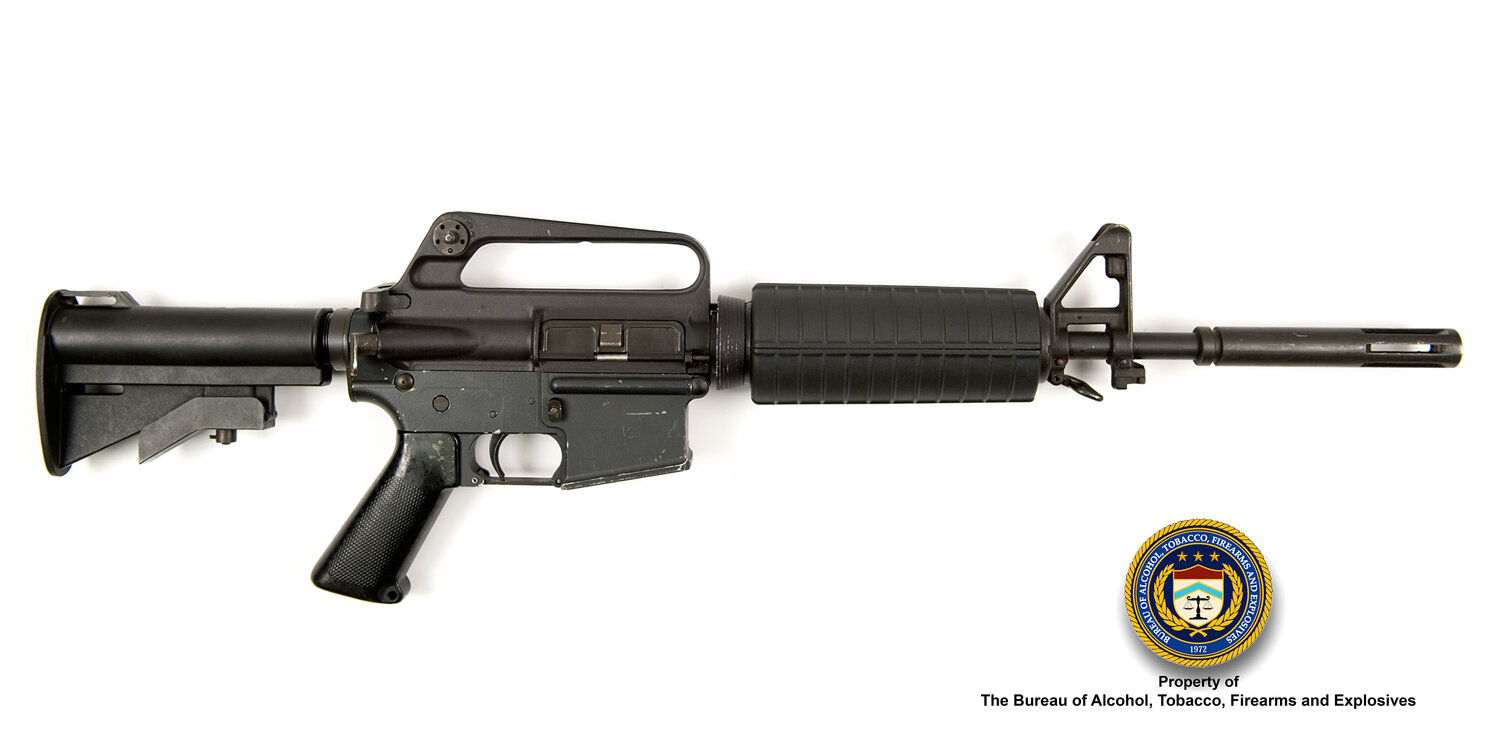
The Commerce Department's October 27 "pause" in the issuance of new export licenses involving firearms under its jurisdiction is expected to end this month, and industry and its friends in Congress are girding for battle. The Protect American Gun Exporter Act introduced by Sen. Mike Lee (R-UT) seeks to forbid the Secretary from similar actions in the future and bar "unilateral' policy changes, while a leaked Commerce document proposes quite a few. In a draft Federal Register Notice obtained by the website "The Reload" marked "predecisional" Commerce proposes the addition of two new ECCNs, enhanced documentation requirements and other changes to improve traceability and control of the civilian arms trade.

In a wide ranging conversation at Georgetown University, Under Secretary of Commerce for Industry and Security Alan Estevez shared his perspective on the evolution of export controls and the road ahead. "I believe now that we are at sort of a foundational inflection point as to the role and purpose of export controls," Estevez said. " Commerce is in the middle of national security in a number of spheres these days.
"We do it from two perspectives. We do it from offense and we do it from defense. Offense is things like Chips Act. So how are we going to build chip production in the United States, where we have assured supply? Semiconductors are the foundation of a lot of what goes on in our economy. "The core of the defense structure is our export controls. Protecting the technology that our adversaries could use against us, should it ever come to any kind of kinetic action...
Following a year of hearings and demands for reams of disclosure from government and industry, the House Select Committee on China released its work product for 2023. The 53 page report enumerated recommendations to address Beijing's human rights violations and military modernization, focusing on halting the genocide of the Uyghur population and curtailing profits from forced Uyghur labor. Additionally, it aims to build a more credible deterrent in the Taiwan Strait.