

OFAC’s new Reconsideration Portal streamlines the delisting process—but not the legal, factual, and strategic work required to secure removal. Daniel Klingenberg, counsel at Berliner Corcoran & Rowe LLP and a former OFAC Reconsideration official who spearheaded the Portal’s development, offers three key takeaways.
The decision could also affect how DOJ assigns proceeds from other sanctions and related criminal cases, potentially increasing compensation available to thousands of eligible terrorism victims.

The Senate vote marks the most significant expansion of U.S. statutory sanctions against Russia since the 2022 invasion of Ukraine.

Antilles Gold is testing a novel path around Washington’s expanding Cuba sanctions: transfer control of its Cuban mining investment to approved U.S. investors in exchange for an OFAC license or removal of its joint venture from the sanctions list.

Russia has empowered its courts to cancel certain foreign investors’ rights to buy back businesses and other assets sold after the invasion of Ukraine.

The U.S. Treasury Department has removed Iraqi carrier Fly Baghdad and two of its aircraft from the Specially Designated Nationals list, while retaining sanctions on the airline’s former chief executive, Basheer Abdulkadhim Alwan Al‑Shabbani.
The State Department has sanctioned 13 foreign individuals and nine organizations under a law targeting transfers that support Iran, North Korea or Syria’s weapons-of-mass-destruction and missile programs.
SeaLead’s collapse shows how sanctions can destroy a carrier’s commercial viability even when it remains technically solvent.
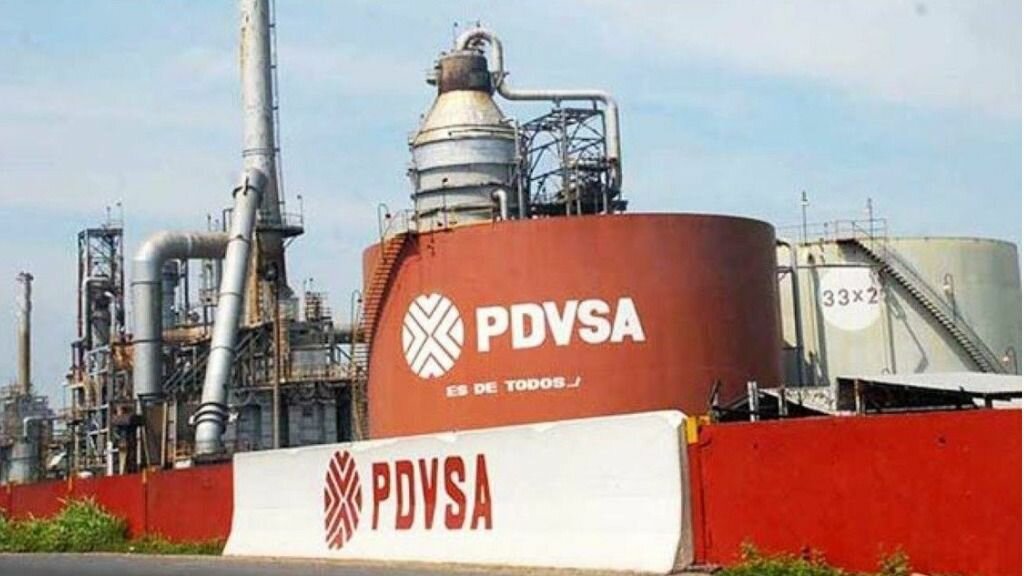
Treasury's latest extension underscores that the administration remains unwilling to permit transactions that could affect ownership of CITGO while broader Venezuela policy remains under review.

The proposal reflects a shift toward targeting the logistical chokepoints that keep China’s vast fishing fleet operating far from port.
The action expands Washington’s campaign against Iran beyond oil exports to the maritime services surrounding trade through the Strait of Hormuz, warning shipowners that paying for Iranian-backed passage guarantees could expose them to sanctions.

The Senate has finalized a substantially revised version of the Russia sanctions legislation originally championed by the late Sen. Lindsey Graham (R-S.C.), but final enactment is now likely to wait until September after the House adjourned for its August recess.
The Treasury Department's decision Monday to remove 84 individuals and entities from its Specially Designated Nationals and Blocked Persons (SDN) List marks more than another round of administrative housekeeping.
The U.S. Treasury’s removal of Miami-based Bel-Kap-Steel LLC from its sanctions list does not eliminate the restrictions facing its historic imports from Belarus.
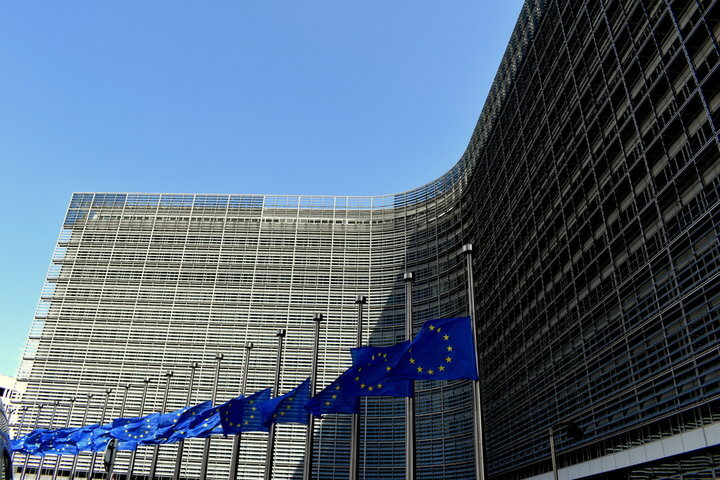
The measures amount to one of the EU’s broadest efforts yet to restrict the financial and logistical networks sustaining Russia’s war. The final agreement is nevertheless narrower than the European Commission’s original proposal, with planned fisheries restrictions omitted and an immediate ban on Russian combatants entering the EU deferred.
OFAC’s latest measures combine targeted sanctions against Iranian and Cuban networks with limited licenses intended to manage the consequences of existing sanctions on Russia and Cuba.

A revised Russia sanctions bill negotiated with the White House has secured more than 60 Senate cosponsors, giving supporters the votes needed to overcome a filibuster but leaving the timing of a floor vote—and the legislation’s path through the House—unresolved.
As the Trump administration expands blocking sanctions against Cuba's military-controlled commercial network under Executive Order 14404, Treasury is simultaneously providing limited authorizations to allow orderly market exits, protect financial-market stability and preserve diplomatic operations.

The reopening of Venezuela’s oil sector does not amount to a wholesale lifting of U.S. sanctions. Instead, companies must navigate overlapping OFAC licenses that dictate who may participate, which goods and services may be supplied, how contracts and payments are structured, and what must be reported to the government.
The Treasury Department’s latest ransomware sanctions underscore an important shift in U.S. cyber enforcement: sanctions are increasingly targeting the commercial infrastructure that enables cybercrime, not just the ransomware groups that carry out attacks.