

The modern sanctions system has become remarkably effective at imposing economic pressure but increasingly ineffective at providing credible paths to relief. As sanctions regimes accumulate statutes, executive orders, export controls, and financial restrictions over decades, they evolve from temporary coercive tools into permanent institutions.

OFAC’s action is a sanctions restructuring, not a broad rollback of U.S. pressure over Hong Kong. The expiration of the emergency supporting Executive Order 13936 required OFAC to remove officials designated solely under that authority, but dozens of figures—including Carrie Lam, John Lee and senior mainland and Hong Kong security officials—remain blocked under the Hong Kong Autonomy Act and were transferred to the Non-SDN Menu-Based Sanctions List.
The Treasury Department’s Office of Foreign Assets Control said payments to the Venezuelan government for authorized earthquake-relief activity do not have to be deposited into Treasury’s Foreign …
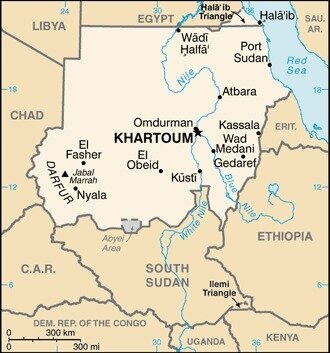
The action marks a significant escalation in U.S. pressure on Sudan by moving from the CBW Act’s initial sanctions to the statute’s mandatory second-stage penalties.

Wyden and Neal say proposed legislation would give the President sweeping unilateral tariff powers beyond its Russia sanctions purpose.

The ruling is the first federal appellate decision interpreting OFAC’s metals and mining sector determination under Executive Order 14024 and substantially broadens the practical reach of U.S. sanctions. It leaves unresolved key questions over the scope of the regulation, setting the stage for future litigation.

Bipartisan sponsors of long-stalled legislation targeting Russia’s energy revenues said they have reached agreement with the Trump administration on a revised sanctions bill, clearing the way for legislation that had been delayed for months over concerns about preserving presidential flexibility in negotiations with Moscow.

The Treasury Department’s Office of Foreign Assets Control issued Democratic Republic of the Congo General License 2, authorizing certain transactions tied to agricultural commodities, medicine, medical devices, replacement parts and components, software updates, and clinical trials.

The US walked back a 60-day pause on sanctions programs covering Iranian oil on Tuesday afternoon, issuing an amended general license.
The always cool and ever-original Tim O’Toole, practice lead for Miller & Chevalier Chartered’s export controls and sanctions team, indefatigable compliance educator and host of the Embargoed! Podcast took some time ahead of Independence Day to talk enforcement trends.

OFAC’s shift to data-driven enforcement is turning sanctions reporting and recordkeeping into core compliance risks. Mandatory electronic filing and a 10-year retention rule give regulators more data to compare, test, and mine for enforcement leads. Screening alone is no longer enough: companies must be able to show, through complete and retrievable records, how sanctions decisions were made, escalated, reported, and retained. Gaps once treated as administrative now can point to weak controls, poor governance, and broader sanctions exposure.
The Supreme Court has handed U.S. claimants two major victories under Title III of the Helms-Burton Act, expanding litigation risk for companies that use, finance, insure or otherwise benefit from …
The Treasury Department’s Office of Foreign Assets Control has issued another Venezuela-related general license, adding earthquake-relief activity to a fast-expanding set of authorizations covering …
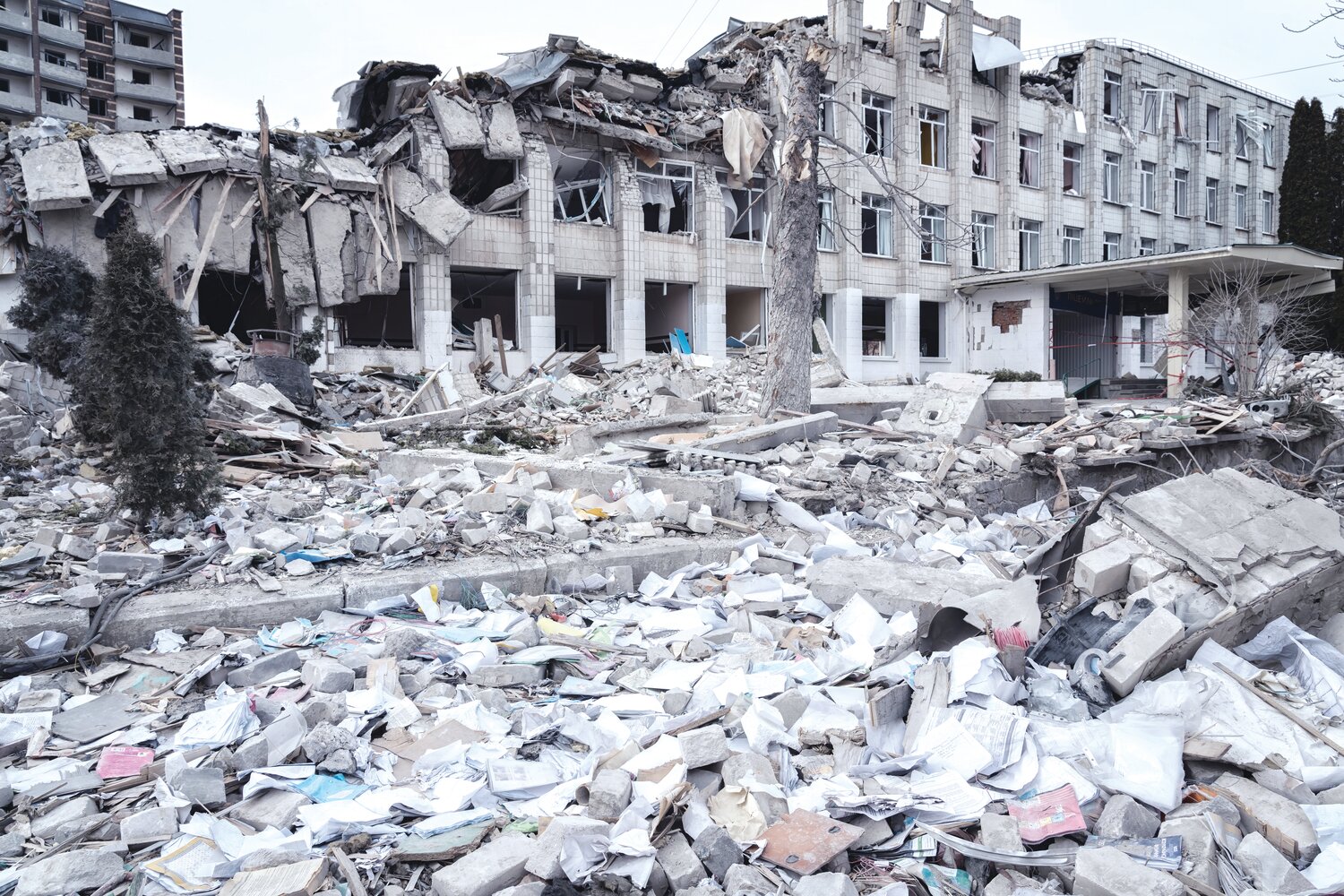
The House vote last month to advance a Ukraine aid and Russia sanctions bill has sharpened the contrast between congressional pressure for tougher measures against Moscow and an administration sanctions policy that is increasingly pairing enforcement threats with selective relief.
OFAC’s General License X opens a temporary channel for Iranian-origin oil, petroleum and petrochemical transactions through Aug. 21. But the next phase may be harder for companies. Broader sanctions relief remains contingent on further U.S. action, and Iran’s reconstruction needs create dual-use procurement risks, while the exclusion of missiles and regional proxies from final nuclear talks raises the stakes for export controls, sanctions screening and third-country diversion enforcement.
HM Revenue & Customs’ decision to name Petrofac Facilities Management Limited in a £569,157 Russia sanctions settlement marks a shift in UK enforcement practice that could deter some companies from voluntarily disclosing sanctions and export-control breaches, Ross Denton, senior counsel at Akin Gump Strauss Hauer & Feld in London, said.

OFAC’s delisting of several Türkiye-based and Indian electronics, machine-tool and industrial suppliers narrows a prominent strand of the U.S. campaign against third-country support for Russia’s military-industrial base. Treasury had originally accused the companies of shipping common high-priority goods, CNC machine tools, electronics and machining equipment to Russian end-users, including sanctioned Russian manufacturers.
OFAC launched an online Reconsideration Portal for sanctioned parties seeking removal from agency blacklists, saying the tool is designed to speed delisting petitions by requiring key information at the outset rather than through later questionnaire exchanges.

OFAC’s new earthquake-relief license gives aid groups, banks, money transmitters and logistics providers a temporary path to support disaster response in Venezuela without violating U.S. sanctions. The authorization is narrow: it permits transactions tied to earthquake relief and related funds transfers through Oct. 23, 2026, but does not unblock frozen property or override other sanctions, export-control rules or federal requirements.
OFAC’s latest Russia-related delistings remove a mix of bank-linked executives, oligarch-family targets, vessels and Turkish procurement firms from the SDN list, but the move should not be read as a broad sanctions retreat.