

A Paris criminal court’s conviction of Lafarge and eight former executives sharpens a compliance lesson already underscored by the company’s 2022 U.S. guilty plea: payments framed as security, transit, or operating costs in a war zone can be recast by prosecutors and judges as terrorism financing, sanctions evasion, and senior-management misconduct when a company chooses to keep business running under armed-group control.
President Donald Trump kicked off an active day on social media with posts on two of his favorite themes: bashing ex-media allies and proclaiming the United States the "HOTTEST" country, before turning his attention to world affairs to announce Iran's reopening of the Strait of Hormuz after weeks of choking off a critical sea trade route.

The U.S. Treasury Department imposed sanctions Thursday on a group of Nicaraguan officials, companies and individuals tied to the country’s gold industry and accused of helping sustain the government of President Daniel Ortega and his co-president and spouse, Rosario Murillo.

The U.S. Treasury Department on Tuesday imposed sanctions on two casinos in northern Mexico that the government has linked to a violent drug cartel, marking the Trump administration's …
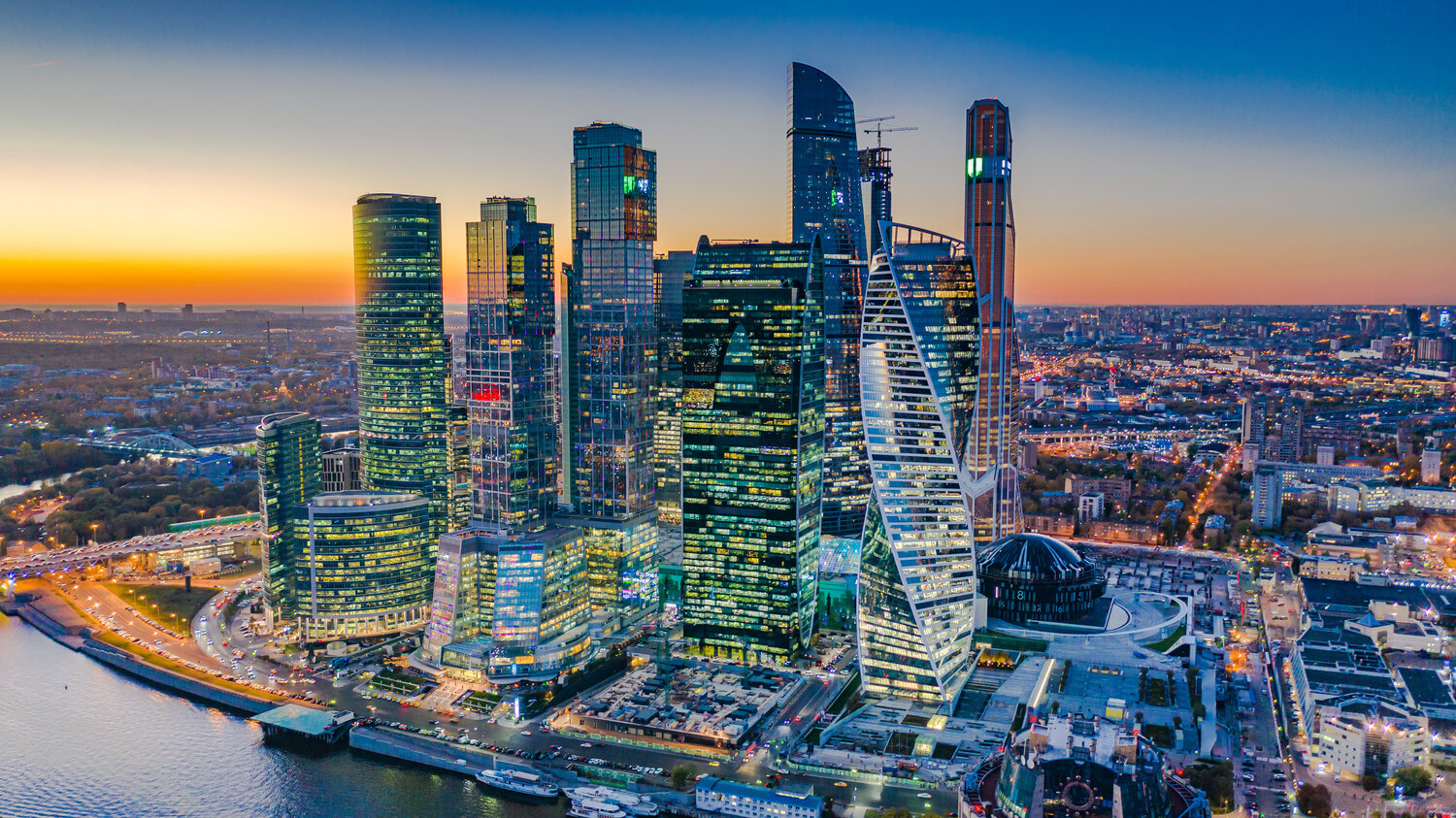
OFAC on April 8 issued Russia-related General License 13Q, renewing a narrow authorization for certain dealings otherwise barred by Directive 4 under Executive Order 14024 and clarifying, through amended FAQs, that Russia’s so-called divestment “exit tax” remains outside that general relief. The move preserves limited operational flexibility for U.S. persons still maintaining day-to-day activities in Russia, while signaling that transactions tied to asset exits will continue to require case-by-case Treasury review.
Treasury removed the Venezuelan interim president from the SDN List on April 1, unwinding a 2018 designation that cast her as a core Maduro loyalist. Rodríguez was originally sanctioned as part of Maduro’s “inner circle,” which Treasury said helped him maintain power and “solidify his authoritarian rule.” In an unrelated action, Treasury removed restrictions on a Moscow banker.
The U.S. Treasury Department’s Office of Foreign Assets Control (OFAC) issued new guidance warning financial institutions and businesses about the risks of sanctions evasion through so-called “sham transactions,” underscoring heightened enforcement scrutiny.

A sanctioned Russian tanker carrying about 730,000 barrels of crude docked Tuesday at Cuba’s port of Matanzas, ending a three-month gap without tanker deliveries and offering only brief relief from a fuel crisis that has crippled transport, health care and power generation.
A U.K. subsidiary of Apple was fined £390,000 after instructing a U.K. bank to send two payments to a Russian app developer that had become owned by a sanctioned person, in a case the Office of Financial Sanctions Implementation said underscores the reach of British sanctions rules to non-U.K. firms using U.K. financial channels.
OFAC on Friday widened its recent Venezuela minerals relief, replacing a narrowly drawn March 6 authorization for Venezuelan-origin gold with a broader license covering Venezuelan-origin minerals, including gold, and issuing two new licenses that allow U.S. persons to supply goods and services to minerals operations and to negotiate contingent investment contracts in the sector.
Cryptocurrency is playing a growing role in financing the procurement of low-cost military drones and components linked to conflicts involving Russia and Iran, according to a new report by blockchain analytics firm Chainalysis. The findings highlight emerging compliance risks at the intersection of digital finance and modern warfare, as well as potential avenues for monitoring adversaries' acquisitions.
OFAC on March 30 issued amended Russia-related General License 131D, which continues to authorize two categories of activity involving Lukoil International GmbH and its majority-owned subsidiaries. Practically, the amendment looks less like a policy shift than another extension coupled with more explicit conditions for any eventual divestment approval.
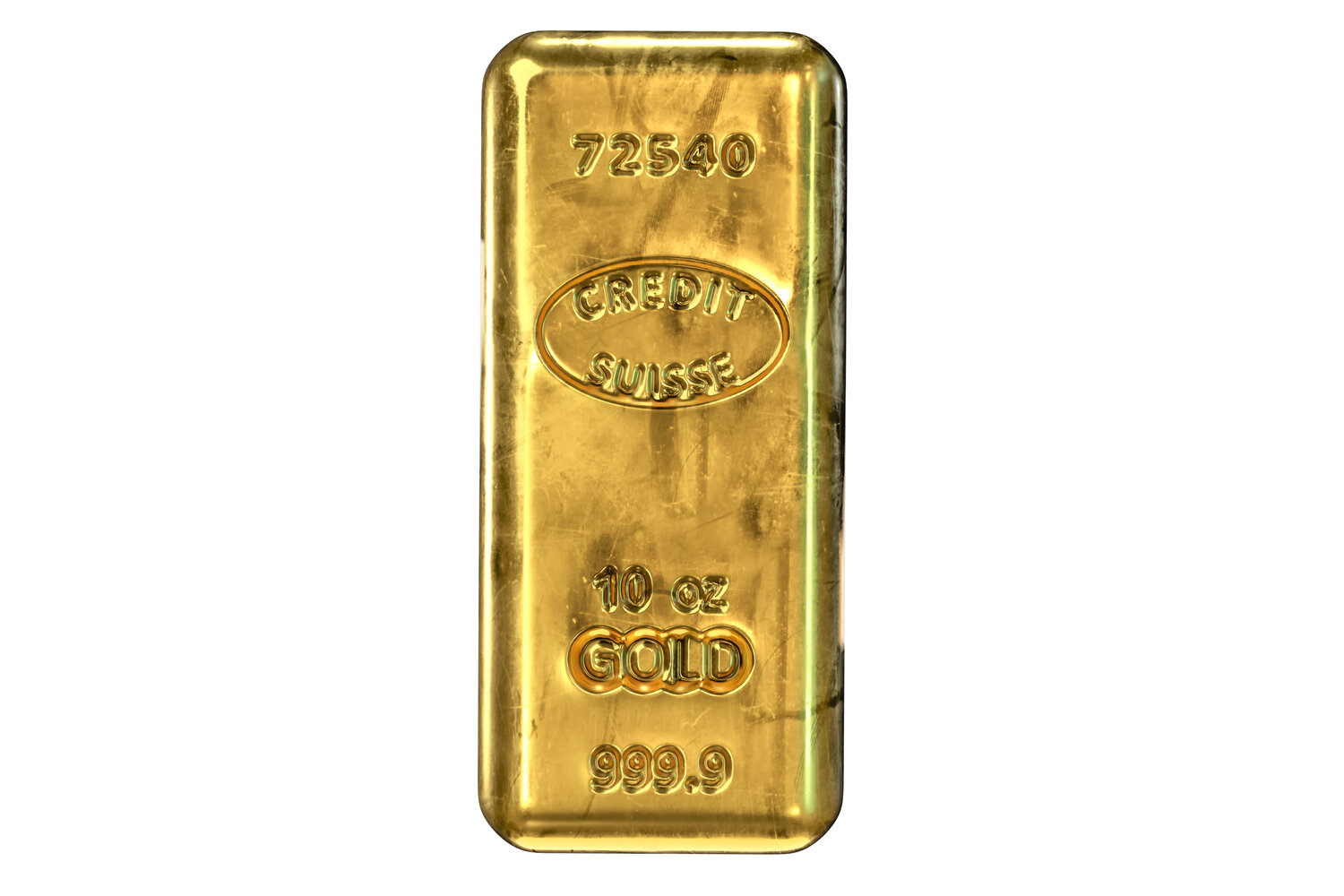
Treasury on Friday modestly broadened its Venezuela sanctions relief for the minerals sector, replacing a gold-specific license with a wider authorization for certain transactions involving Venezuelan-origin minerals and issuing two new licenses that allow operational support and preliminary investment contracting, while still barring actual new investment performance without further OFAC approval and preserving strict limits on counterparties, payments, and China-linked participation.
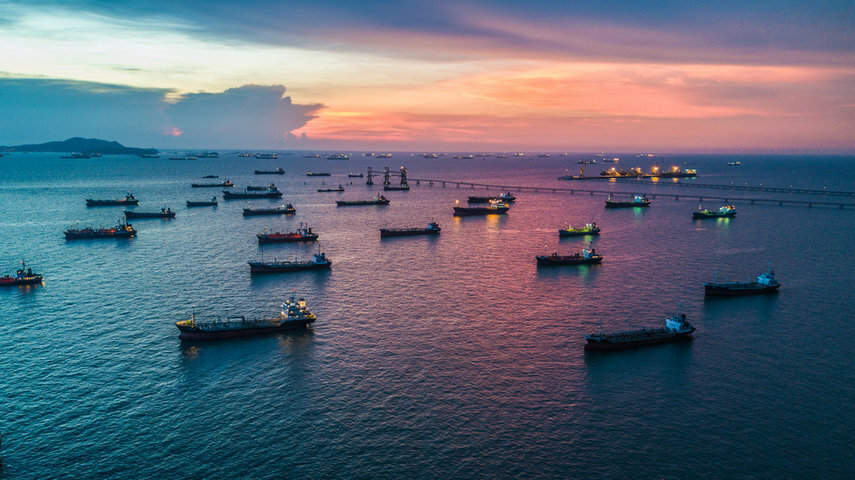
A week after the Trump administration issued a hall pass on Iranian oil sales, some international buyers are taking the bait, but questions remain as to how far they can stretch the definition of transactions “ordinarily incident and necessary to” purchases of the usually-illicit crude.
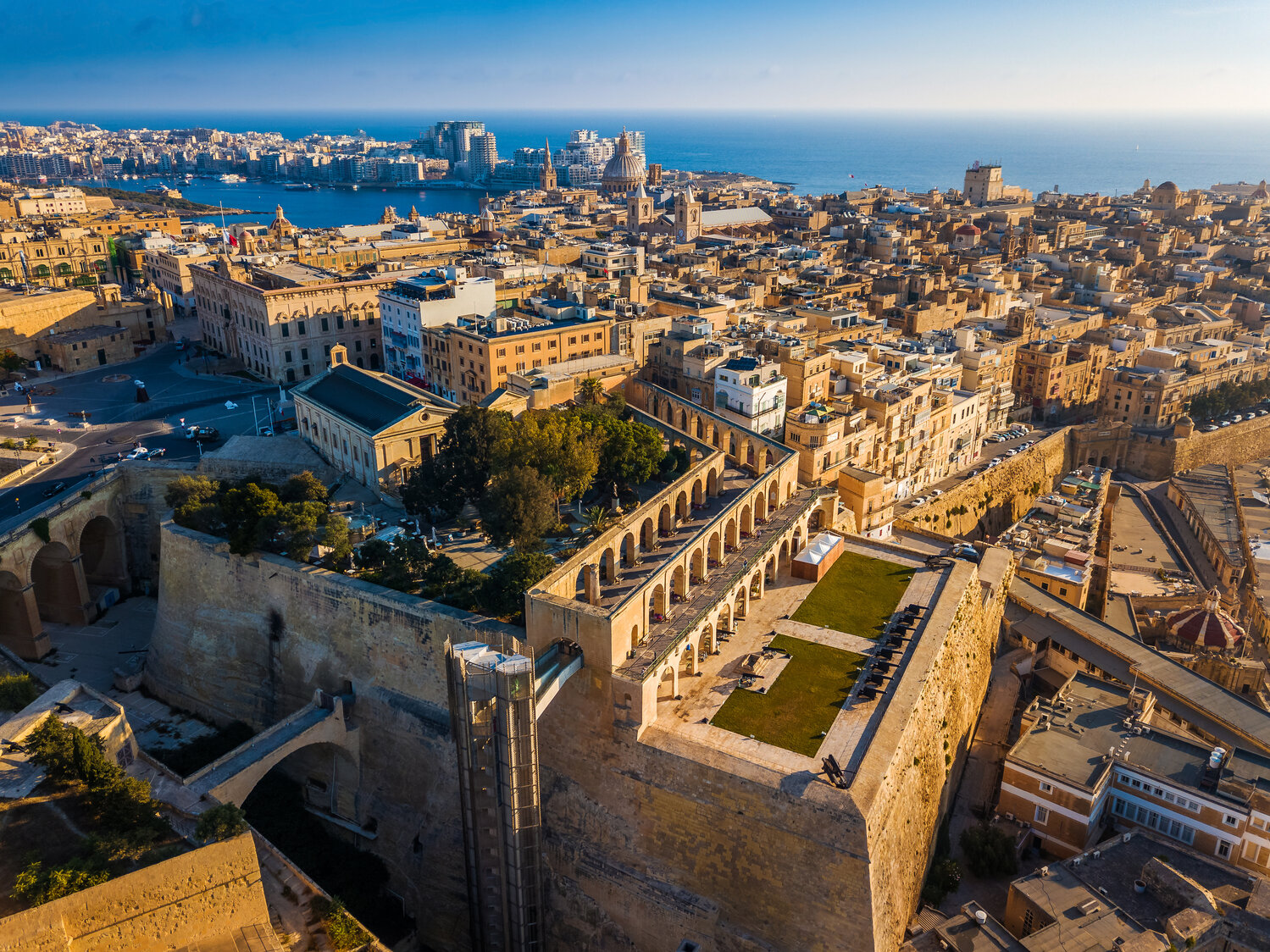
The Treasury Department on March 27 removed a decceased senior Ukrainian official and his "charitable foundation" from the SDN List under the Global Magnitsky program, and separately delisted a Russian executive of Sberbank and a Malta-based Italian-Swiss national tied to arms and technology smuggling from the Russia sanctions program.
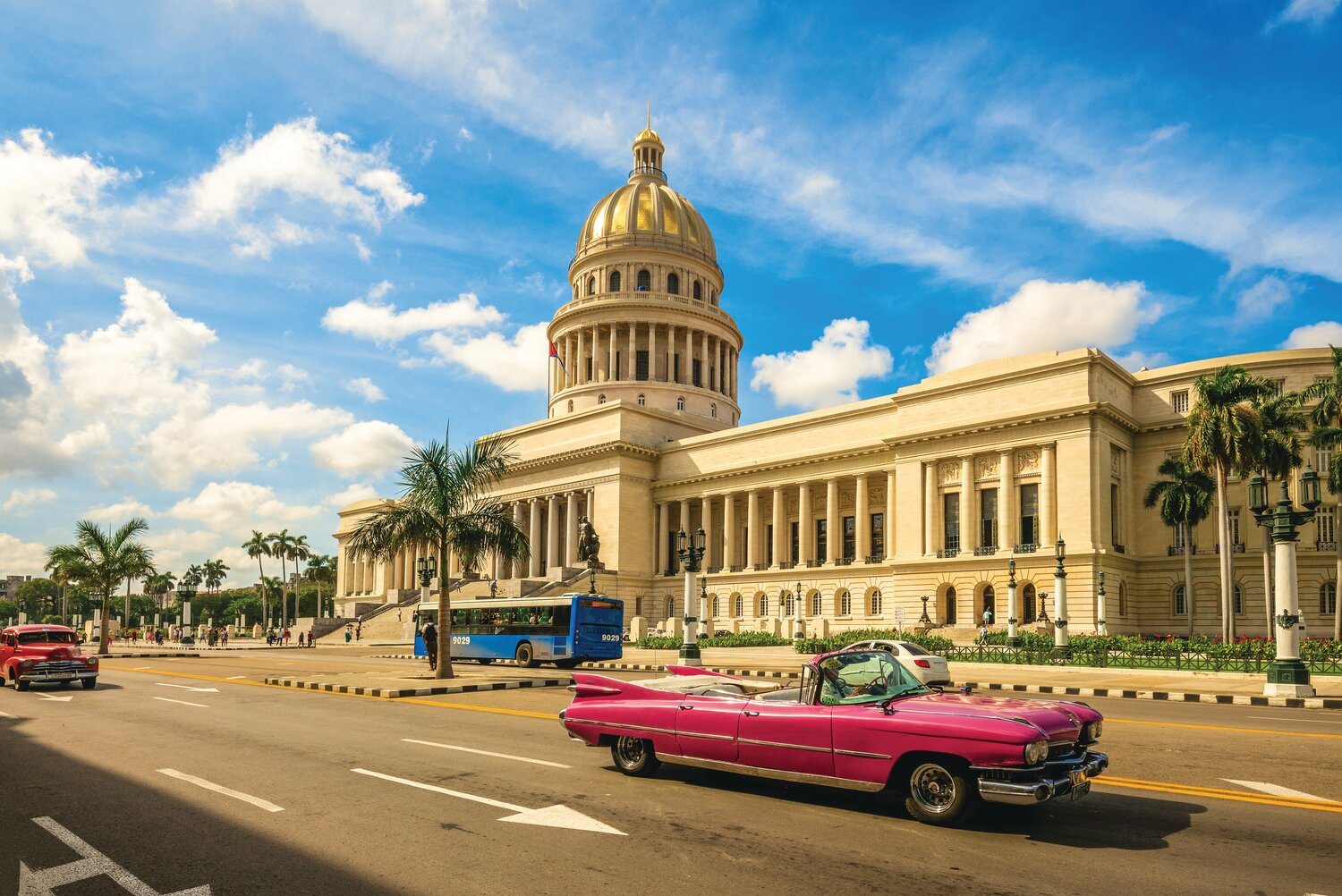
Havana is again turning to the Vatican as the Trump administration’s intensified sanctions campaign deepens Cuba’s fuel and power crisis, with Cuban officials seeking Pope Leo XIV’s help in pressing Washington to ease what U.S. and foreign press reports describe as a de facto oil blockade.

Bipartisan legislation was introduced March 26 that would require sanctions and visa bans on senior Hungarian officials if they obstruct financial or security assistance to Ukraine or continue facilitating Hungarian imports of Russian oil and gas.
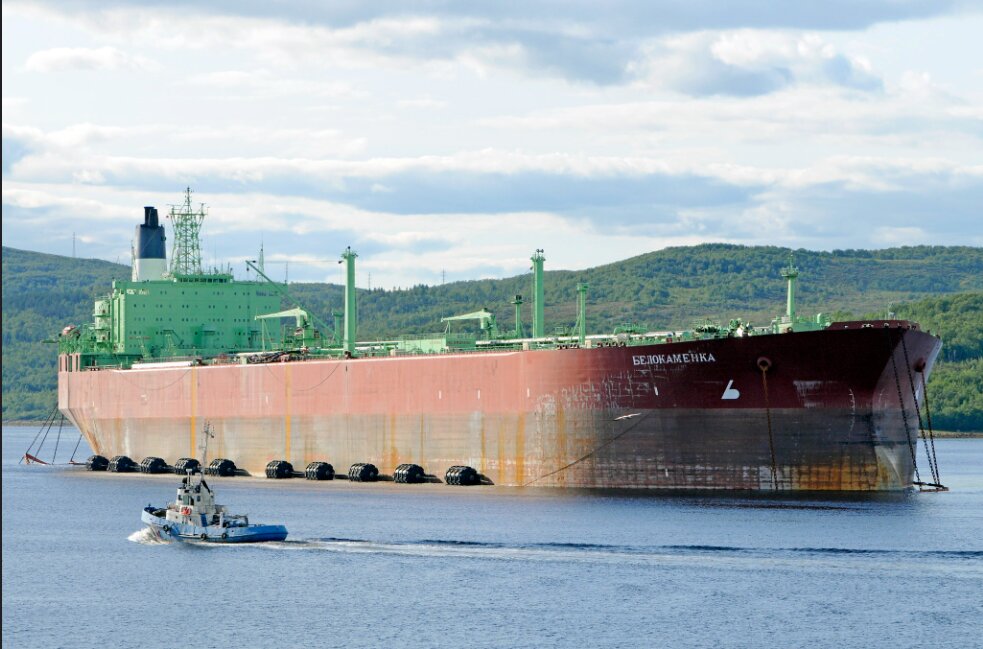
Canada moved Thursday to sanction 100 additional vessels tied to Russia’s shadow fleet, sharpening a contrast with the Trump administration temporarily allowing sales of already-loaded Russian oil cargos.

The Treasury Department’s Office of Foreign Assets Control on March 26 issued Belarus General License 14, authorizing transactions otherwise prohibited by the Belarus Sanctions Regulations involving state-owned banks and fertilizer exporters. The day before OFAC's announcement, President Lukashenko arrived in Pyongyang for a state visit to be capped by the signing of a "Treaty of Friendship" with DPRK strongman Kim Jong Un.
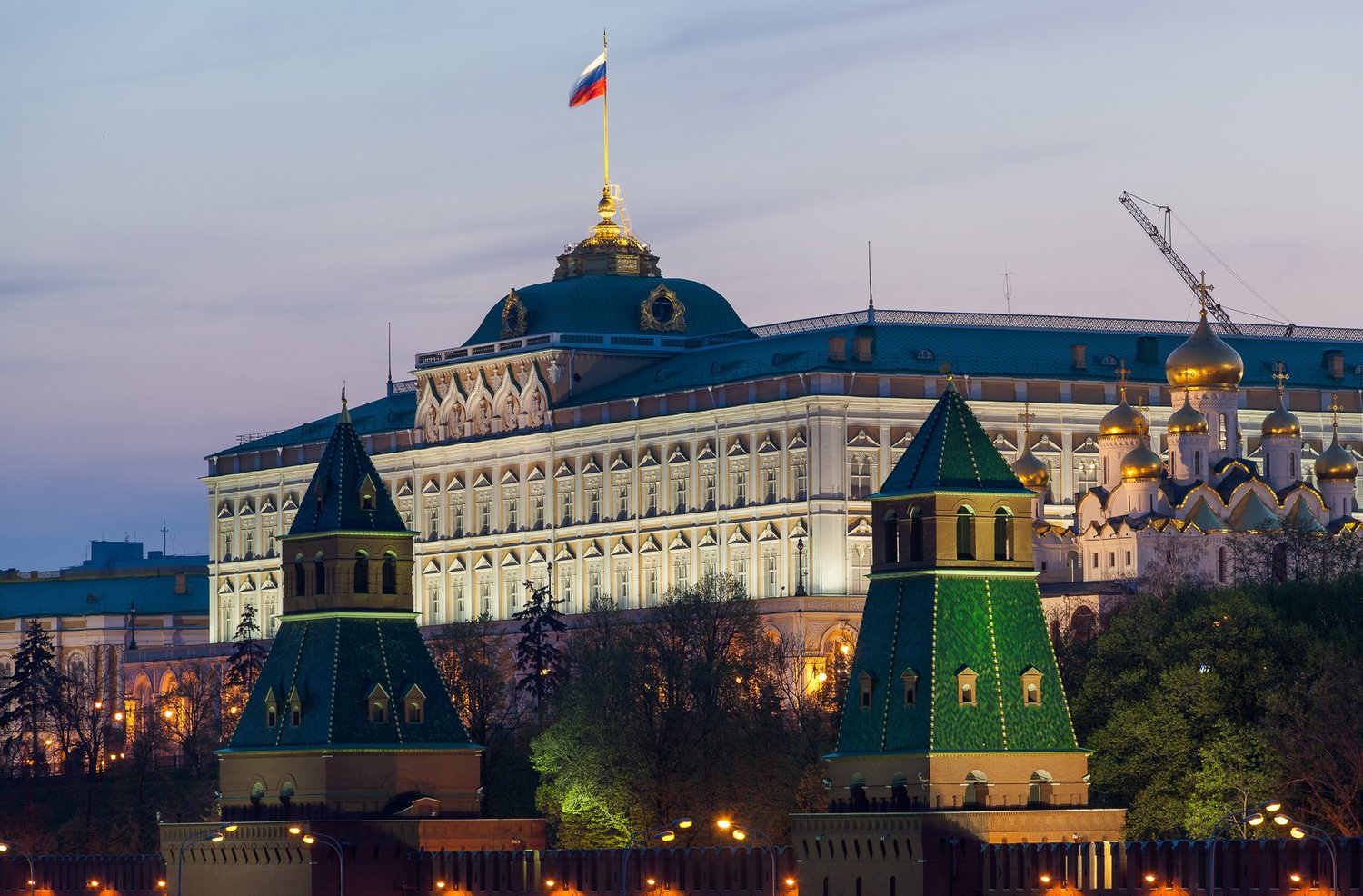
Two senior House lawmakers are pressing the Trump administration to explain why it temporarily loosened sanctions on Russian oil, arguing the move has handed Moscow a badly timed revenue lift just as Ukraine has made battlefield gains and as Russia deepens military cooperation with Iran.