
Thursday, OFAC issued a corrected version of the General License issued last week permitting the sale of Russian Oil. General License 134A leaves the operative authorization unchanged, but narrows it by adding an express exclusion for certain jurisdictions and persons, formally superseding GL 134. The addition of Cuba to the list of excluded jurisdictions tightens further the screws being applied by the Trump administration to the beleaguered island state. Friday Evening the White House lifted some sanctions on Iran to permit the Regime to sell its oil.
Treasury on March 20 designated 16 individuals and entities tied to a Hizballah financing network led by Lebanese financier and former public investment official Alaa Hassan Hamieh, saying the network diverted more than $100 million since 2020 through companies and associates in Lebanon, Syria, Poland, Slovenia, Qatar, and Canada. The same update removed a Mexican cartel leader known as “La Senora,” who Treasury had designated as a “prolific cocaine supplier” Treasury also deleted six more Russia-related entries.

The Treasury Department on March 13 removed more Russia-related entries from the Specially Designated Nationals list, stripping sanctions from parties previously tied to Russian banking, intelligence-linked procurement, and third-country technology supply channels.
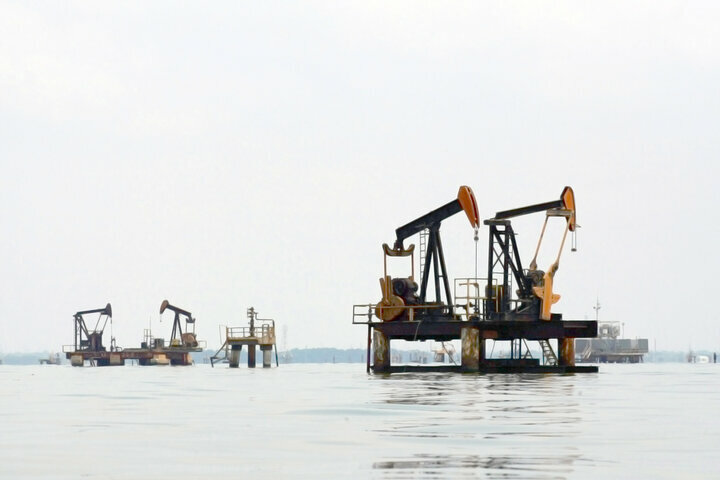
The Treasury Department’s Office of Foreign Assets Control on March 18 issued Venezuela General License 52, authorizing certain transactions involving Petróleos de Venezuela, S.A. and PdVSA-owned entities by “established U.S. entities,” in the latest step to widen conditional sanctions relief for Venezuela’s energy sector.
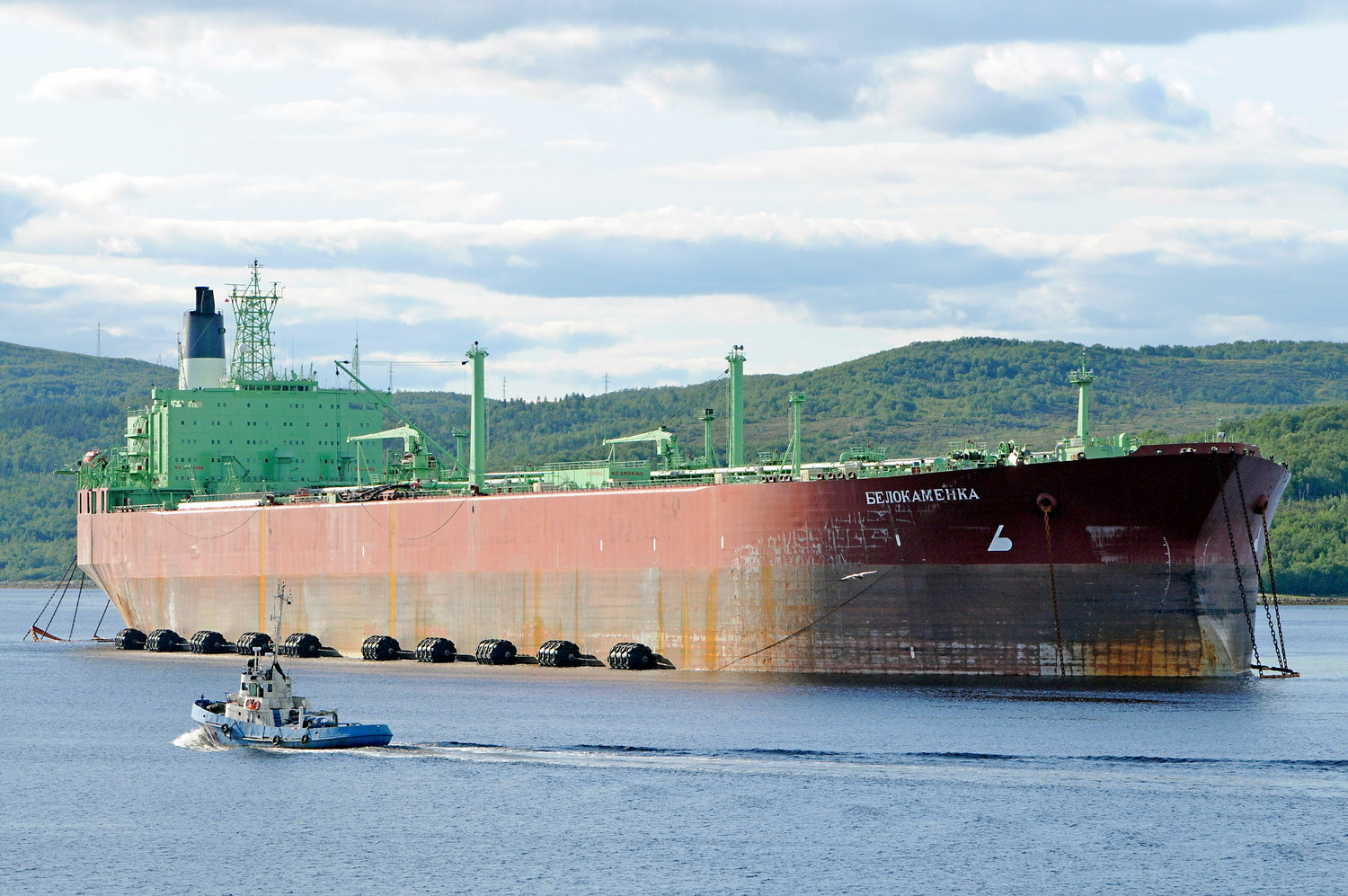
The Treasury Department late Thursday issued a new Russia-related general license authorizing, for 30 days, transactions ordinarily incident and necessary to the sale, delivery, and offloading of Russian-origin crude oil and petroleum products loaded on vessels by 12:01 a.m. EDT on March 12, marking a significant expansion of a narrower March 5 authorization that had been limited to India.
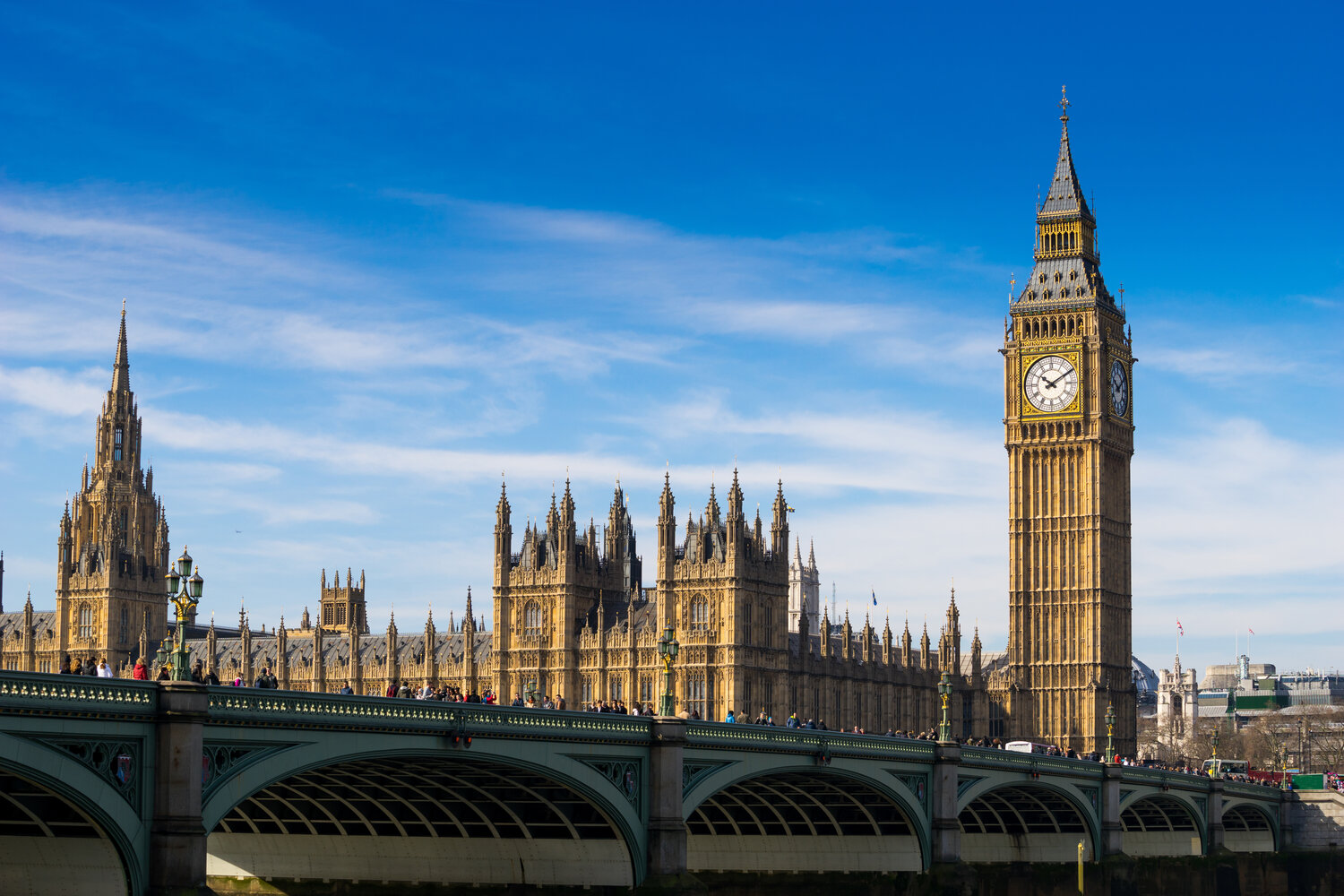
The British government released a comprehensive overview of its sanctions regime this week, including plans to double maximum penalties for civil financial sanctions violations. The policy paper follows recent confirmation that the government plans to introduce new legislation to require exporters to obtain licenses for shipments at risk of diversion to sanctioned destinations, namely Russia.

The U.S. Justice Department and Türkiye Halk Bankasi A.S. have moved to suspend the long-running criminal case accusing the Turkish state-owned lender of helping Iran evade U.S. sanctions. In the March 9 filing, prosecutors said the agreement was “strongly in the public interest” and cast it as serving both national-security and foreign-policy goals.

The Treasury Department on Friday removed eight entries from the Specially Designated Nationals list under its cyber-related sanctions authorities, lifting sanctions on a Finland-based freight forwarder, four linked Finnish companies, and a Russian national unwinding designations tied to a 2020 crackdown on procurement networks alleged to have supported Russia’s Federal Security Service.
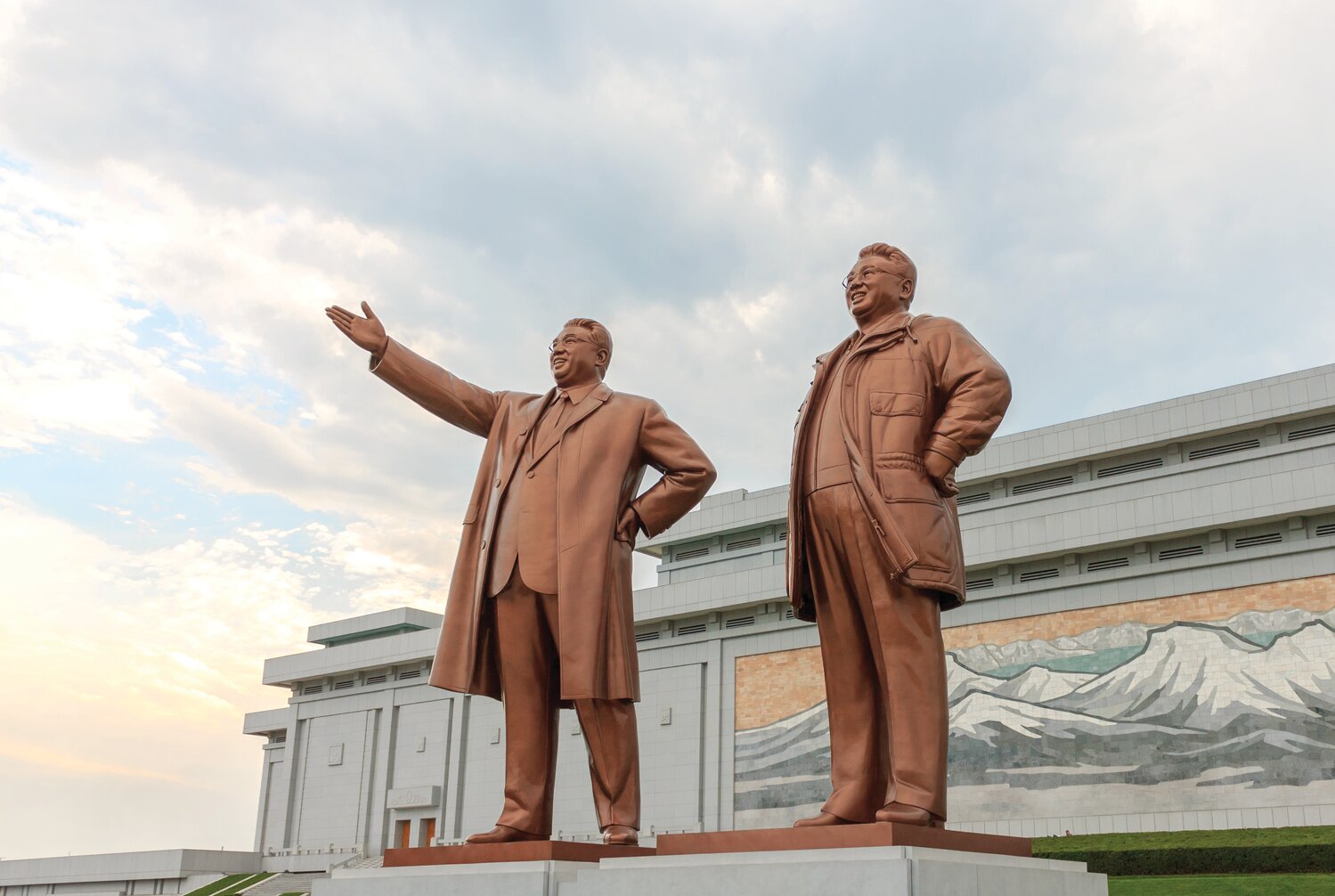
The Treasury Department on March 12 sanctioned six individuals and two entities tied to North Korea’s overseas IT-worker networks. The sanctions underscore Washington’s broader concern that North Korea’s overseas IT-worker networks are no longer just sanctions-evasion schemes, but a hybrid threat that blends fraud, cyber intrusion, and weapons financing.

The move creates a narrow exception to Washington’s broader Venezuela and Cuba sanctions posture: rather than broadly reopening Cuban fuel trade, OFAC said it will consider case-by-case licenses for resales of Venezuelan-origin oil that support Cuba’s private sector or humanitarian needs, while barring any involvement by the Cuban military, intelligence services, other restricted state entities, or Cuban-owned banks.

The Treasury Department’s Office of Foreign Assets Control on March 5 issued Russia-related General License 129A, authorizing transactions otherwise prohibited under the Russian Harmful Foreign Activities Sanctions Regulations (31 CFR part 587) that involve Rosneft Deutschland GmbH and RN Refining & Marketing GmbH, as well as entities they own 50% or more (individually or in the aggregate).

The United States imposed sanctions on five senior Nicaraguan officials, with the State Department and Treasury framing the action as part of a renewed effort to hold the Murillo–Ortega government and its enablers accountable for repression at home and instability in the region.
Treasury’s Office of Foreign Assets Control (OFAC) sanctioned more than 30 individuals, entities, and vessels tied to Iranian petroleum exports and weapons procurement networks, intensifying its maximum pressure campaign against Tehran.
OFAC has resubmitted for Office of Management and Budget review its proposal to establish an electronic portal for parties seeking removal from U.S. sanctions lists, marking the next step in an initiative first noticed in June 2025.

Belarusian President Alexander Lukashenko endorsed a Russian proposal to organize a broad coalition of countries facing Western sanctions, arguing that states under restrictions should “unite” to deter those imposing them.

West Coast attorney Sarah Gerdes joined Akin’s international trade practice in Los Angeles at the start of the year as part of its national security & global investigations team after a distinguished tenure in the U.S. Attorney’s Office for the Central District of California, where she most recently served as the Deputy Chief of the National Security Division and Assistant U.S. Attorney. In conversation with The Export Practitioner, edited for length and clarity below, she shared lessons from her experience leading national security investigations and advice for meeting the current moment in enforcement.

Miller & Chevalier and Sainz Abogados have released Cartels, Sanctions, and Terrorism Designations: A Practical Glossary, a February 2026 reference intended to help companies navigate expanding compliance exposure tied to cartel activity, terrorism designations, and cross-border enforcement in the United States and Mexico. 

The U.S. Department of the Treasury’s Office of Foreign Assets Control (OFAC) on February 10 issued General License 48, General License 30B, and General License 46A, expanding and refining authorizations under the Venezuela Sanctions Regulations.

Treasury’s Office of Foreign Assets Control (OFAC) on February 3 issued Venezuela-related General License 47 (GL 47), authorizing transactions ordinarily incident and necessary to the export, sale, and delivery of U.S.-origin diluents to Venezuela, including dealings with the Government of Venezuela and state-owned Petróleos de Venezuela, S.A. (PdVSA), subject to specified contractual, payment, and reporting conditions.
The U.S. Department of the Treasury’s Office of Foreign Assets Control (OFAC) has unveiled a new Voluntary Self-Disclosure (VSD) Portal, designed to provide a streamlined and secure digital method for submitting voluntary disclosures of potential violations of OFAC-administered sanctions programs. The portal aims to enhance transparency, improve submission efficiency, and expedite agency acknowledgment and review of VSD filings.