
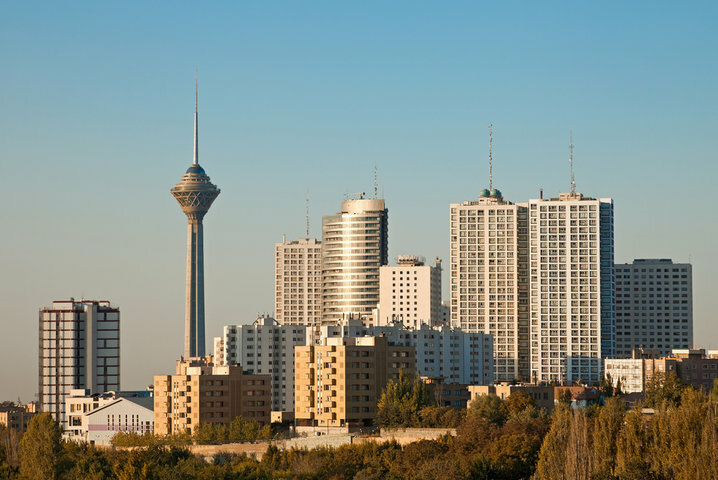
The U.S. Treasury’s Office of Foreign Assets Control has removed Soltech Industry Co., Ltd. and its affiliated aliases from the Specially Designated Nationals and Blocked Persons List, ending sanctions that stemmed from the company’s role in an Iran-related export control and sanctions conspiracy.
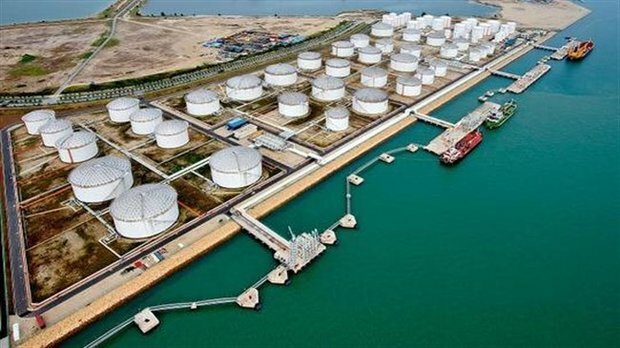
The U.S. Treasury Department’s Office of Foreign Assets Control (OFAC) expanded Iran-related sanctions in late January, targeting senior regime officials, oil-transport networks, and sanctions-evasion facilitators, while simultaneously issuing a narrowly tailored general license to permit limited maritime safety and environmental transactions.
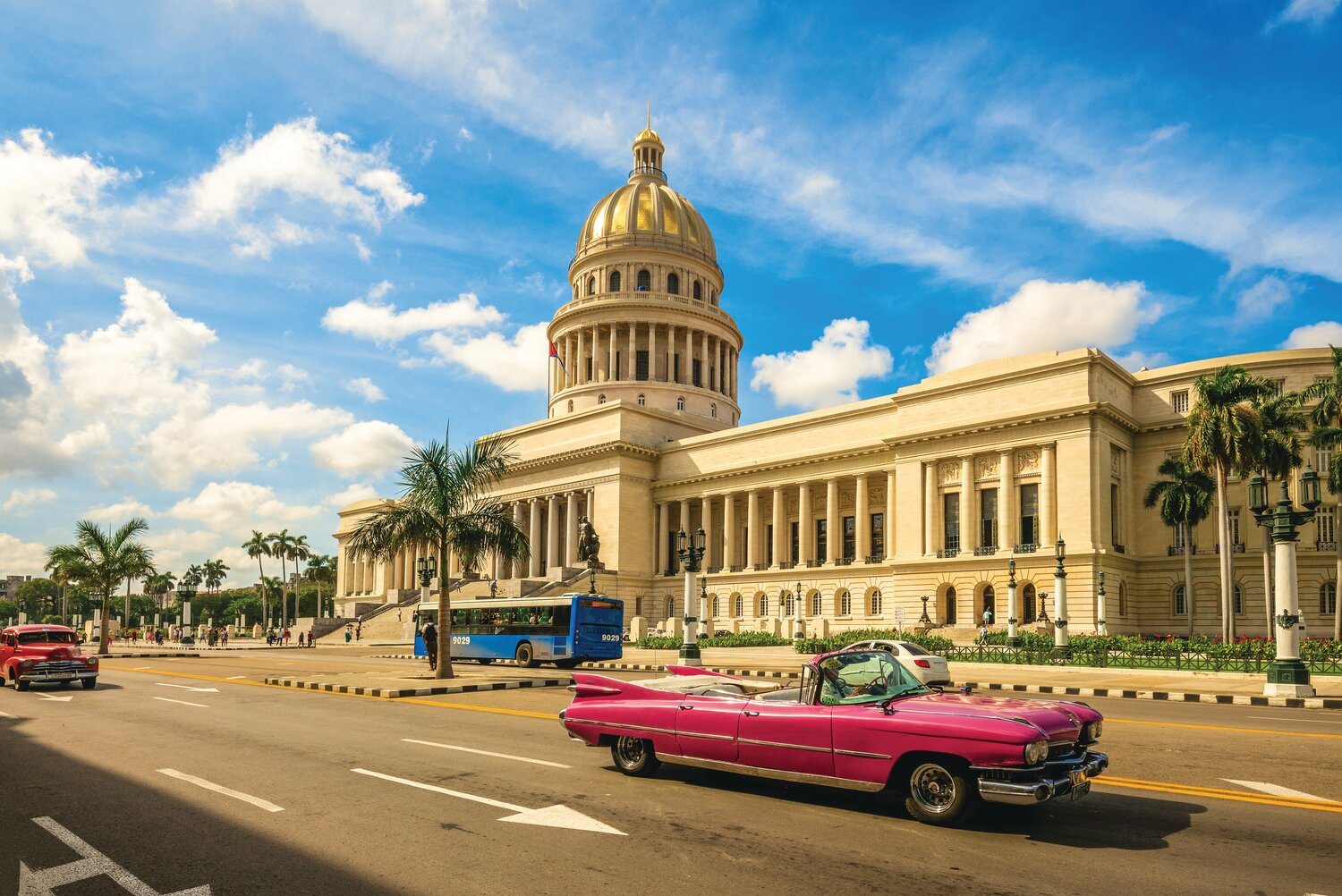
The White House escalated pressure on Cuba Thursday, unveiling a new policy framework that treats the Cuban government’s actions as a national-security concern and authorizes broader economic and diplomatic countermeasures.

The Trump administration issued a general license Thursday easing U.S. sanctions on Venezuela’s energy sector, a move intended to accelerate oil exports and investment but one that also raises complex legal and compliance questions for companies engaging with the country’s oil industry.
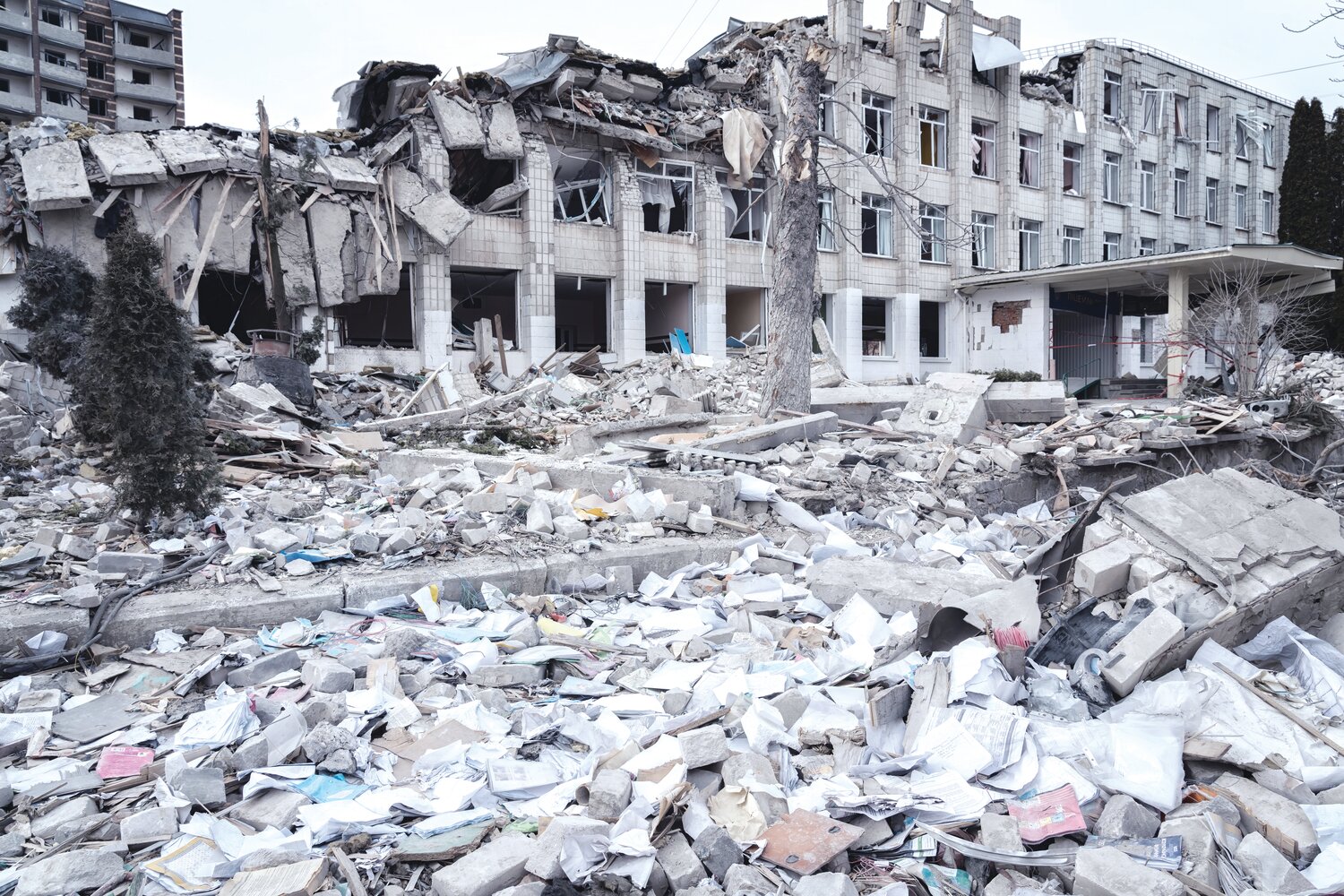
The European Union is moving toward approval of its 20th sanctions package against Russia, highlighting a widening divergence between European and U.S. approaches to economic pressure on Moscow nearly four years into the war in Ukraine. EU officials are targeting late February—to coincide with the anniversary of Russia’s full-scale invasion—for unanimous adoption by all 27 member states.

The Treasury’s Office of Foreign Assets Control on Jan. 21 designated six Gaza-based nonprofit organizations and the Popular Conference for Palestinians Abroad, along with a U.K.-based individual, for alleged support to Hamas, continuing a sustained sanctions campaign targeting Hamas financing and logistics networks.
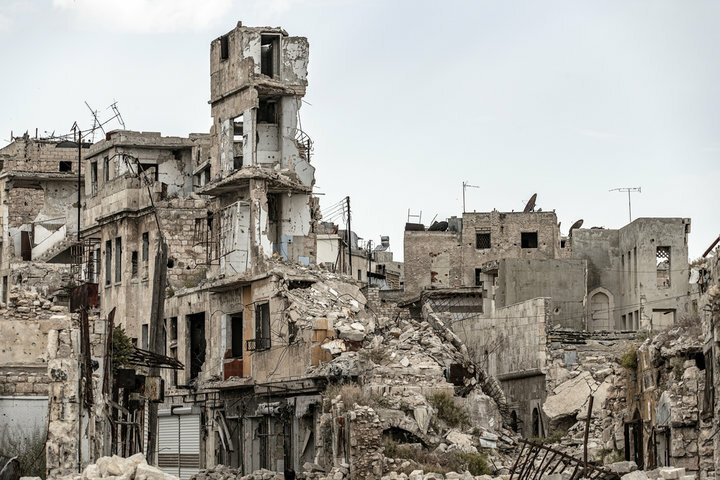
Sen. Lindsey Graham (R-S.C.) said he would push to reimpose sweeping sanctions on Syria if government forces continue their military advance toward Raqqa against the U.S.-backed Syrian Democratic Forces, warning of lasting damage to relations with Washington.

Despite claims earlier this month that the White House had “greenlit” the Sanctioning Russia Act of 2025 (S.1241), there has been no legislative movement since. The bill—introduced in April 2025 by Sen. Lindsey Graham (R-SC) and backed by more than 80 co-sponsors—remains formally stuck at the “introduced” stage, with no committee action or floor vote scheduled.

U.S. sanctions announced Thursday explicitly target Iran’s internal security apparatus and two major financial conduits used to launder proceeds from oil and petrochemical exports, grounding the action in both human-rights and energy-sector authorities.

The United Kingdom, acting in parallel with the European Union, has lowered the oil price cap on seaborne Russian crude to $44.10 per barrel, down from $47.60. The United States did not participate in the adjustment.
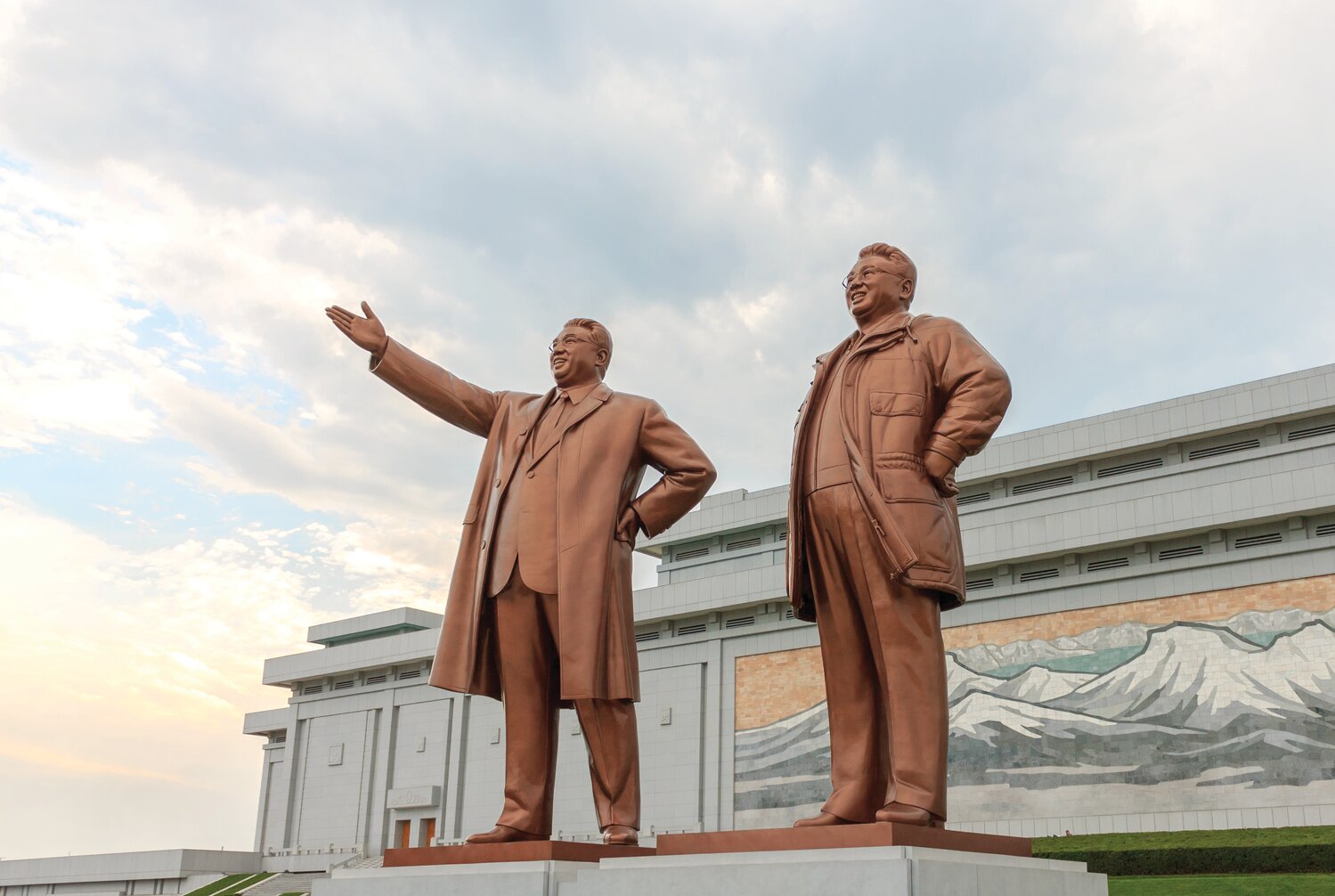
The U.S. Department of State released a fact sheet summarizing the Multilateral Sanctions Monitoring Team’s 2025 report detailing how North Korea continues to violate United Nations …

Gracetown Inc., a New York-based property manager, has filed suit against the U.S. Treasury’s Office of Foreign Assets Control (OFAC), contesting a $7.6 million civil penalty for alleged violations of U.S. sanctions on Russian oligarch Oleg Deripaska. Filed in the Southern District of New York, the case may test limits of OFAC’s enforcement authority under the Administrative Procedure Act (APA) and the Eighth Amendment.

The U.S. Department of the Treasury’s Office of Foreign Assets Control (OFAC), in coordination with the U.S. Department of State, on Monday designated the Egyptian and Jordanian branches of the Muslim Brotherhood as Specially Designated Global Terrorists for providing material support to Hamas.
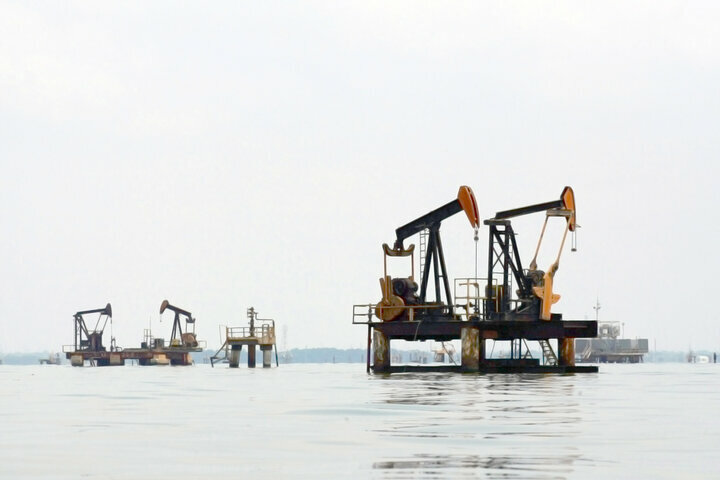
The removal of Nicolás Maduro on January 3, 2026 has altered Venezuela’s political facts and reopened conversations about U.S. commercial engagement. But for American companies, the change is more contextual than legal. The sanctions framework governing Venezuela remains largely intact, and corporate decision-making continues to turn on licensing, counterparties, and bank risk appetite—not diplomatic signaling.
The U.S. Treasury Department’s Office of Foreign Assets Control (OFAC) has removed Cypriot national Kyriaki Demetriou Kamperi from certain sanctions linkages under its Russia-related authorities, narrowing the scope of enforcement actions tied to professional enablers of sanctioned Russian interests.

The German weekly Der Spiegel reports that U.S. administration officials have discussed the possibility of imposing sanctions on foreign judges and public officials whose judicial rulings conflict with the president’s political positions, according to unnamed current and former officials cited by the magazine.
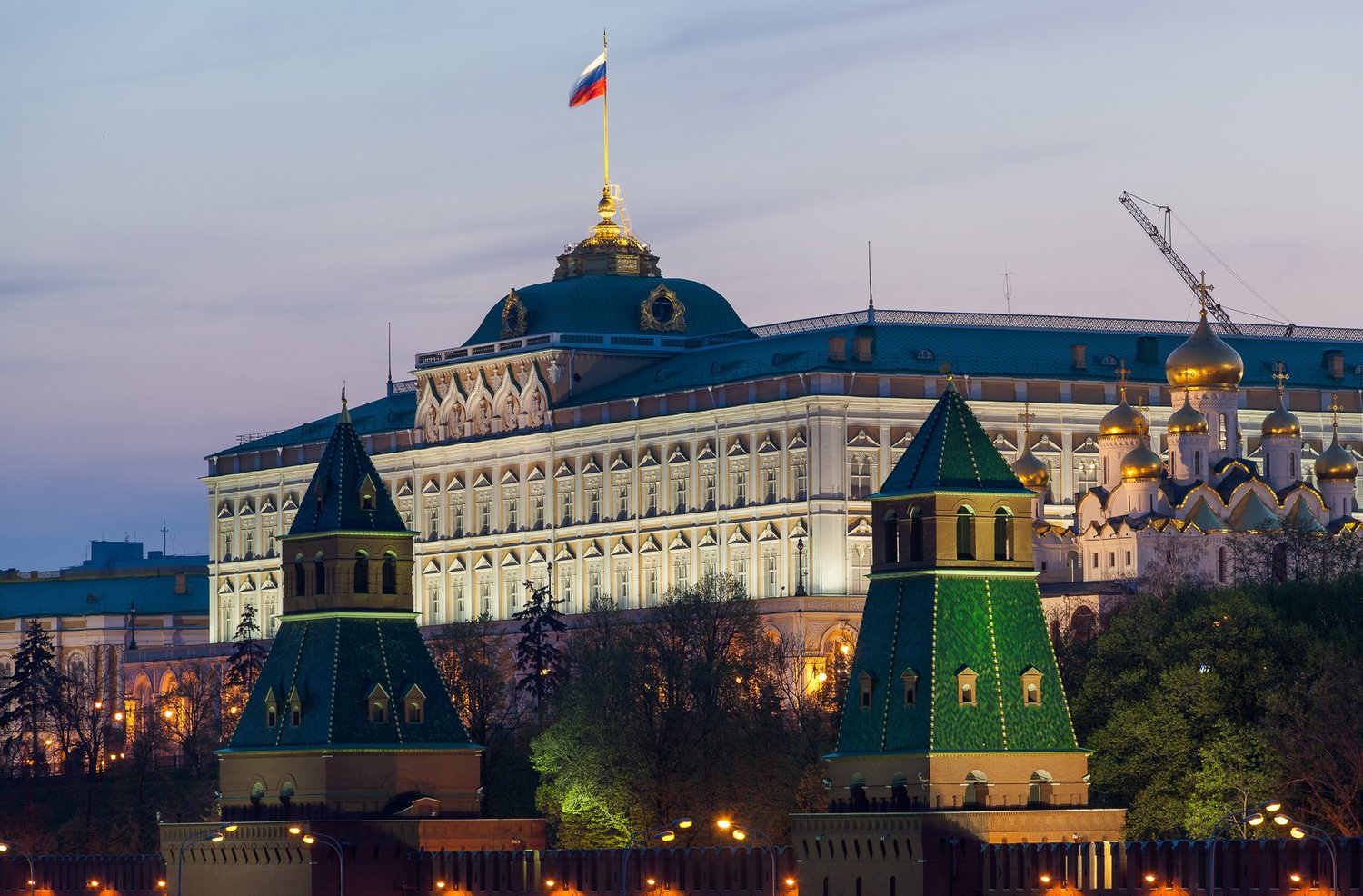
A long-stalled sanctions bill aimed at cutting off revenue to the Kremlin’s war machine may finally get a vote in the U.S. Senate. According to multiple news reports, the Sanctioning Russia Act of 2025 (S. 1241), introduced in April 2025 by Senator Lindsey Graham (R-S.C.) with co-sponsorship from more than 80 senators, could reach the floor as soon as next week.
Holland & Knight says U.S. sanctions policy is entering a volatile year, marked by heavier reliance on enforcement, growing divergence among allies, and increased risk for professional “gatekeepers,” according to a new client alert outlining the firm’s top five OFAC sanctions trends for 2026.
(OFAC) is issuing Russia-related General License 13P , "Authorizing Certain Administrative Transactions Prohibited by Directive 4 under Executive Order 14024." The license permits U.S. persons—and entities owned or controlled by U.S. persons—to pay taxes, fees, or import duties, and to obtain permits, licenses, registrations, certifications, or tax refunds involving the Central Bank of the Russian Federation, the National Wealth Fund, or the Ministry of Finance of the Russian Federation.
The U.S. Treasury Department’s Office of Foreign Assets Control has lifted sanctions on a Russian banker and several executives linked to commercial spyware, individual delistings tied to successful reconsideration petitions, while the sister of a sanctioned oligarch has filed suit seeking her own removal from U.S. restrictions.