

The sugar industry’s push for a Section 301 investigation gives the Trump administration a politically useful farm-state trade case but an uncomfortable policy contradiction: USTR is being asked to defend domestic sugar prices and production just as HHS Secretary Robert F. Kennedy Jr.’s MAHA agenda is urging Americans to consume less added sugar. The request also highlights the sector’s continuing political muscle, with major sugar interests remaining significant Republican and Trump-aligned contributors.

Two Canadian steel companies and their president agreed to pay $19 million to resolve False Claims Act allegations that they evaded U.S. customs duties by misdeclaring the origin of flat-rolled steel imported into the United States.

The United States has asked Mexico to review labor-rights allegations at a Faurecia Sistemas Automotrices de México facility in Silao, Guanajuato, adding a Tier 1 automotive supplier to the USMCA Rapid Response Labor Mechanism docket.

U.K.-based yacht manufacturer Sunseeker International Ltd. and its U.S. affiliate Sunseeker USA Sales Co. Inc. pleaded guilty to two Lacey Act violations for using illegally obtained Burmese teak on luxury yachts imported into the United States, the Justice Department said May 13
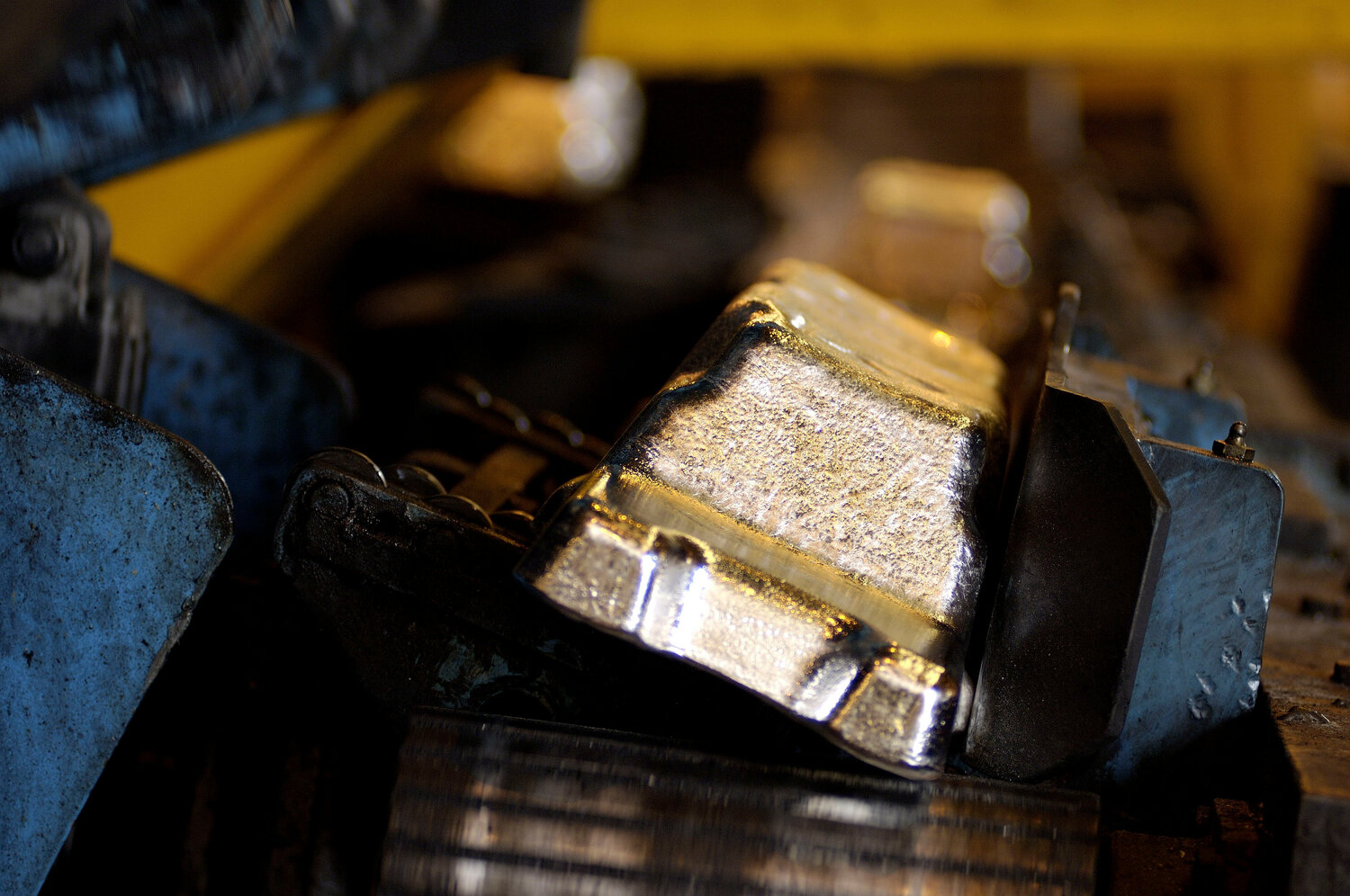
The Justice Department’s $549.5 million Perfectus Aluminum settlement turns a decade-old customs-evasion case into a current warning for importers: trade-remedy duties can produce False Claims Act exposure when entry descriptions, end-use claims and related-party sales are used to avoid AD/CVD liability.
The stay gives the White House a procedural reprieve, not a merits victory. The Federal Circuit has kept the 10 percent Section 122 tariff alive while it considers the government’s stay motion, but the core legal question remains whether a statute designed for temporary balance-of-payments emergencies can support a near-global tariff after the Supreme Court foreclosed IEEPA as the administration’s broader tariff vehicle.

The Commerce Department’s Bureau of Industry and Security laid out procedures for pharmaceutical companies to seek company-specific onshoring agreements that could sharply reduce new Section 232 tariffs on patented drugs and related ingredients.
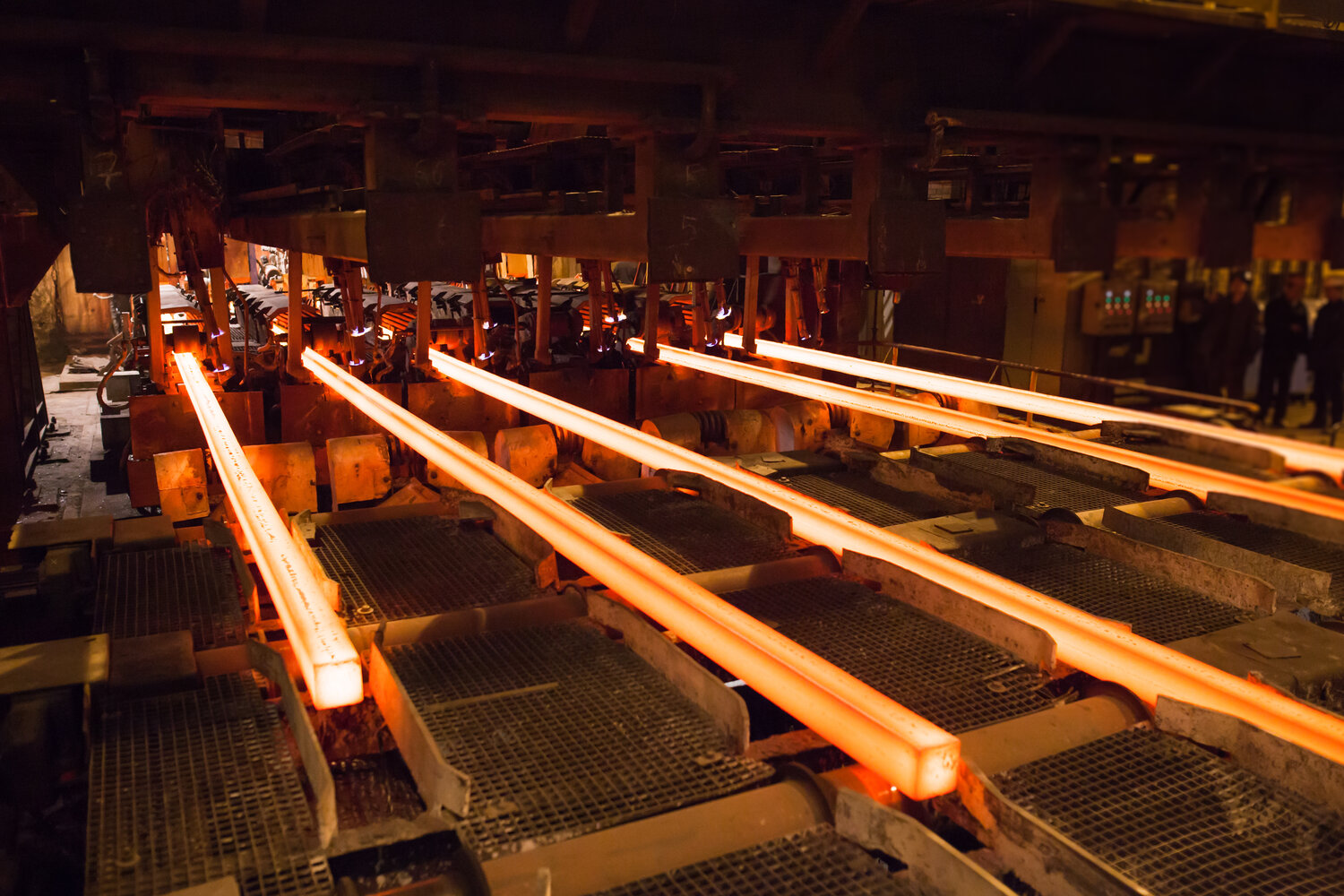
Nucor Corp. has asked the Federal Circuit to reverse part of a Court of International Trade ruling that limited the Commerce Department’s ability to treat South Korea’s carbon-emissions allowance program as a countervailable subsidy in a review of Korean cut-to-length steel plate.

The U.S. goods and services trade deficit widened to $60.3 billion in March, up $2.5 billion from a revised $57.8 billion in February, as imports again outpaced export growth, the Census Bureau and Bureau of Economic Analysis reported May 5. Exports rose $6.2 billion to $320.9 billion, while imports increased $8.7 billion to $381.2 billion.
President Trump said in a Friday morning Truth Social post that he will raise U.S. tariffs on European Union cars and trucks to 25% next week, accusing Brussels of failing to comply with a trade agreement reached last year.
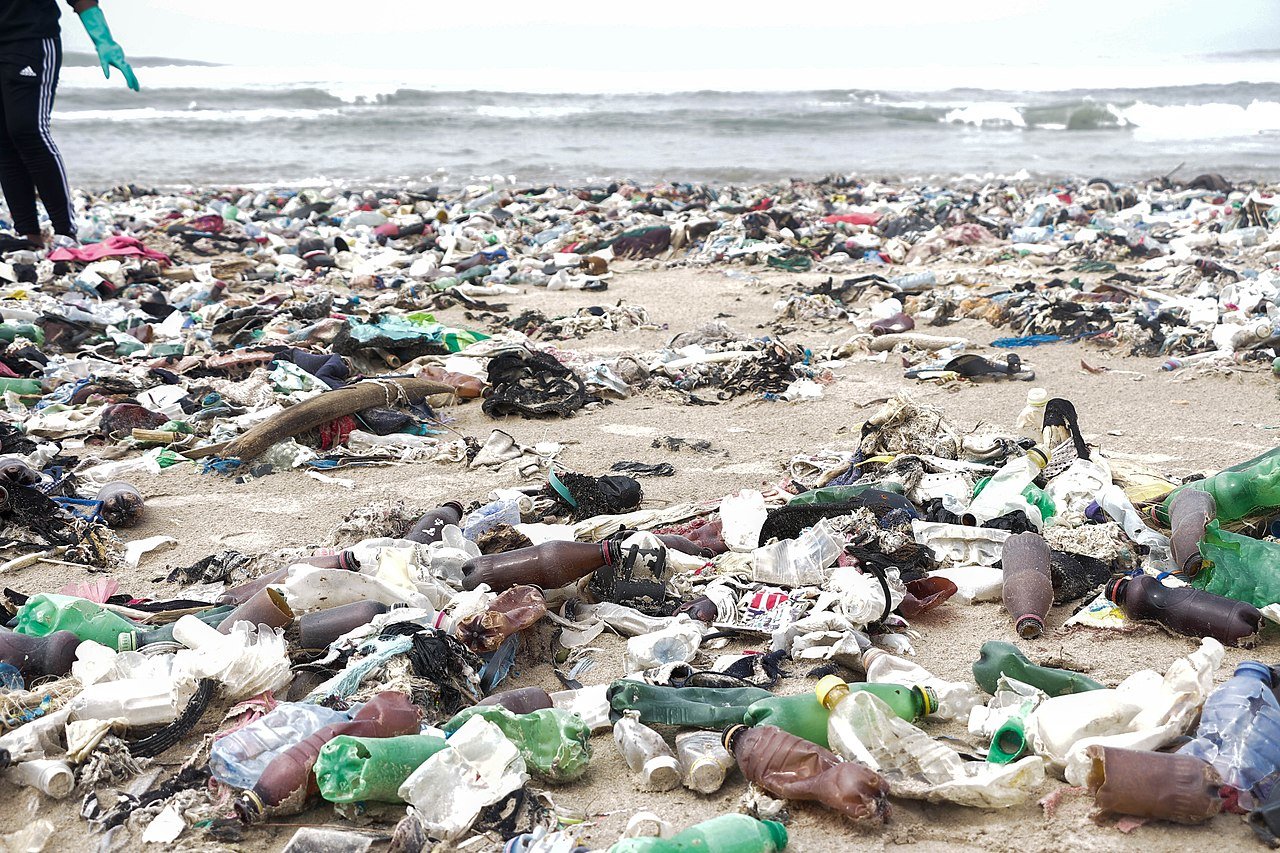
Recent oil-price volatility has exposed a structural bias in global trade: fossil-fuel-based plastics remain cheaper to trade than many natural substitutes, even when oil shocks drive up plastic input costs, according to a report from the UN Trade and Development agency.

The Federal Communications Commission voted Thursday to advance two China-focused national security proposals that would tighten control over the electronics-certification pipeline and further isolate major Chinese telecom carriers from U.S. networks.
Ahead of the World Trade Organization’s General Council meeting May 6, Director-General Ngozi Okonjo-Iweala is struggling to come to terms with the failed 14th Ministerial Conference – an outcome …
The U.S. Department of Agriculture and US Export-Import Bank announced a new partnership Wednesday aimed at increasing US agricultural production and exports. USDA is launching the Financial …

Over 70 House Democrats called on President Trump to block Chinese automakers from accessing the US market, in a letter Wednesday emphasizing concerns over threats to US workers, manufacturing and …
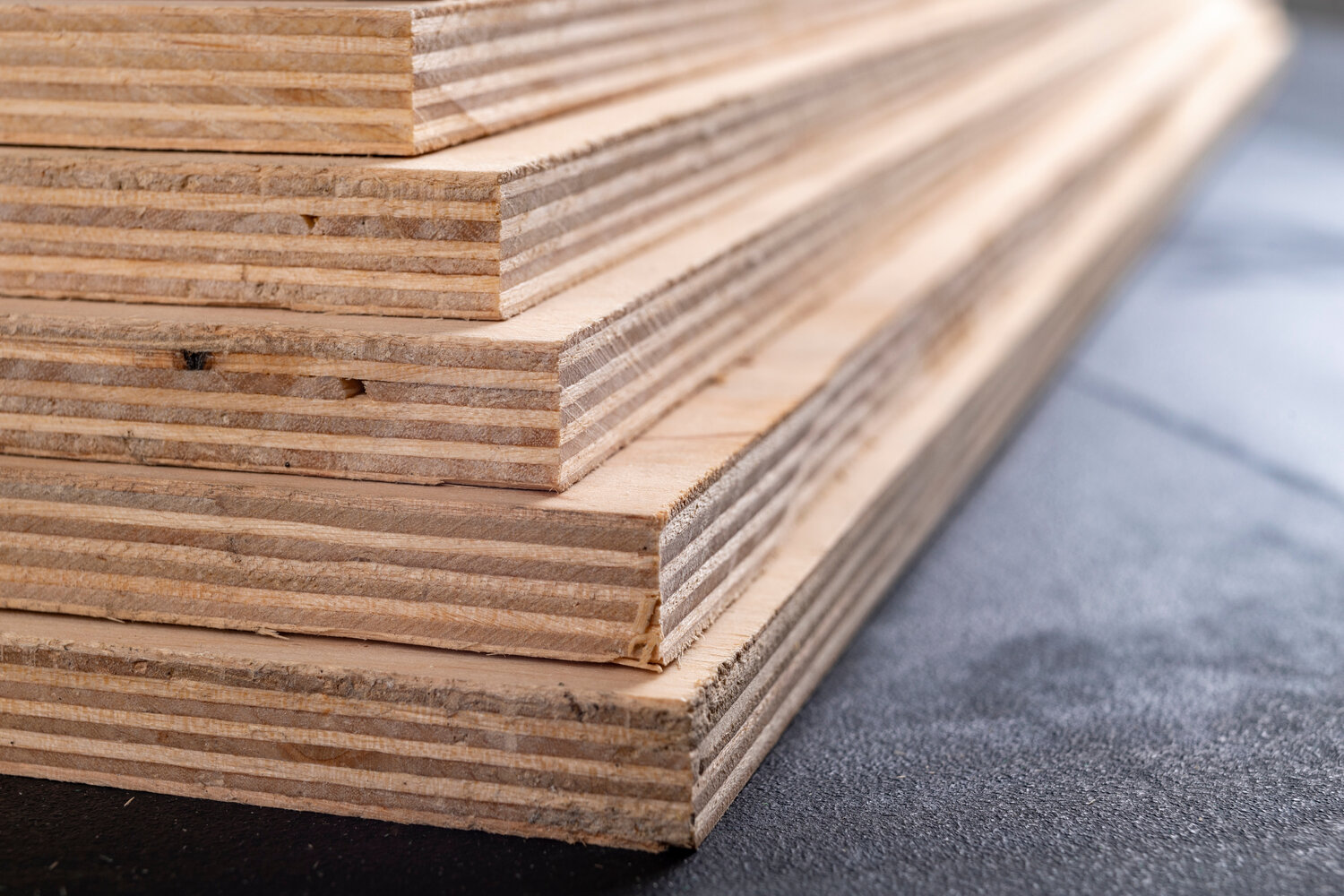
he Boise Cascade case extends a major Lacey Act prosecution from the importers who orchestrated a plywood smuggling scheme to a downstream corporate buyer that DOJ says knew, or was willfully blind to, the illegal origin of the products. The prosecution underscores how Lacey Act declarations, customs-law compliance and antidumping/countervailing-duty exposure now converge in timber and wood-products supply chains.

Export restrictions on critical raw materials have reached record levels, rising fivefold since 2009 and spreading beyond China to a broader group of resource-rich economies, according to new OECD research.
The USMCA review is moving from scoping to negotiation with a hard new premise: the Trump administration is treating tariffs not as leverage to be bargained away, but as a permanent feature of North American trade policy.
Sen. Edward Markey is renewing pressure on major retailers and logistics companies to pass IEEPA tariff refunds through to the consumers and small businesses that ultimately paid the duties, moving the refund fight from abstract litigation to operational execution.

CBP’s April 20 launch of Phase 1 of the CAPE refund system has turned attention from whether IEEPA refunds will be paid to how cleanly importers can preserve and perfect claims. Separately, the administration has opened a narrow Section 232 adjustment channel for certain Canadian- and Mexican-origin steel and aluminum.