
US Trade Representative Jamieson Greer announced that the United States, the European Commission, and Japan will develop “Action Plans” to strengthen critical minerals supply chain resilience, a step toward deeper plurilateral cooperation on economic security. He announced a similar plan with Mexico, which he tied to USMCA renewal.

The Export–Import Bank of the United States released a revised Country Limitation Schedule (CLS), effective February 3, 2026, expanding eligibility for support in five countries and revising …
The U.S. Consumer Product Safety Commission (CPSC) is moving toward mandatory electronic filing of product-safety certificate data for covered consumer goods imported into the United States, with implementation set for July 8, 2026. Agency officials outlined the final compliance timeline and operational expectations during a January 2026 public webinar, emphasizing that certificate data will now be transmitted electronically to U.S. Customs and Border Protection (CBP) at the time of entry through the Automated Commercial Environment (ACE).
The United States and Mexico on Tuesday announced four courses of remediation under the United States–Mexico–Canada Agreement Rapid Response Labor Mechanism (RRM), addressing confirmed denials of …

The White House and the Export-Import Bank of the United States (EXIM) on Monday announced Project Vault, a large-scale public-private initiative to establish a U.S. Strategic Critical Minerals Reserve aimed at insulating domestic manufacturers from supply disruptions, price volatility, and foreign supply-chain leverage.

Panama’s Supreme Court has unanimously voided the concession allowing a unit of Hong Kong–based CK Hutchison Holdings to operate the Balboa and Cristóbal ports at either end of the Panama Canal, ruling that the contracts violated the country’s constitution and failed to serve the public interest.
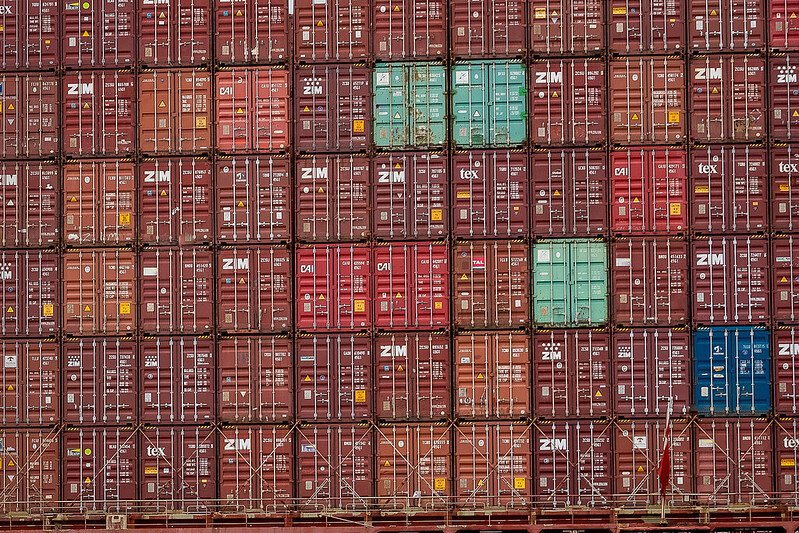
Federal auditors are urging substantive reforms to the long-standing Customs-Trade Partnership Against Terrorism (CTPAT) administered by U.S. Customs and Border Protection, concluding that the programme’s current management of security data and enforcement actions undermines its effectiveness in safeguarding the U.S. supply chain.
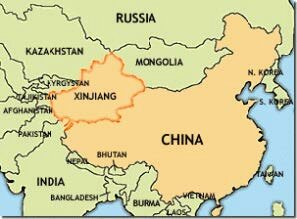
Customs data show a sharp decline in the value of shipments detained under the Uyghur Forced Labor Prevention Act (UFLPA) during calendar year 2025, as well as no new Entity List additions since the change in administrations.

Global digital trade is increasingly being driven not by finished consumer electronics or online retail services, but by semiconductors, electronic components, and the services tied to intellectual property (IP) and software, according to data from UN Trade and Development (UNCTAD) and national statistical authorities.

The State Department’s Pax Silica initiative is emerging as the Trump administration’s central organizing framework for economic security in the age of artificial intelligence, blending supply-chain strategy, export control alignment, and industrial cooperation into what senior officials describe as a “coalition of capabilities.”

President Trump on Thursday escalated tensions with Canada, accusing Transport Canada of delaying certification of several Gulfstream business jets and threatening retaliatory measures against Canadian-made aircraft.

In a move that may reshape the geopolitics of ocean resource governance, the United States has quietly introduced a new fast-track permitting regime for deep-sea mining, drawing sharp attention from legal experts and international observers.
A Supreme Court decision invalidating President Trump’s “Liberation Day” tariffs would set off an immediate operational response by importers, followed by a rapid policy recalibration inside the administration and renewed focus on whether the Department of Commerce—particularly the Bureau of Industry and Security (BIS)—has the capacity to migrate tariff policy from emergency powers to conventional trade statutes.
U.S. Customs and Border Protection has launched a new Forced Labor Portal, a centralized system for importers to submit review requests for shipments detained or excluded on forced labor grounds. …
The Census Bureau has submitted for Office of Management and Budget review a request to renew its information collection authority for the Automated Export System, extending clearance for ACE AESDirect record formats and related documentation, including exporter account applications, certification statements, and user guides.

International trade in gold concentrates—unrefined, containerised material typically shipped by sea—has become a significant but under-examined channel for gold laundering and gold-based money laundering, new OECD brief warns.

For those who've not committed the tariff schedule to memory, Customs & Border Protection has prepared a useful US Tariff Overview infographic.

U.S. Customs and Border Protection has provided informal but consequential guidance on how importers should calculate Section 232 duties on derivative goods containing steel, aluminum, or copper.

President Donald J. Trump on January 14 invoked Section 232 of the Trade Expansion Act to impose new tariffs on certain advanced semiconductors and derivative products, concluding that current import levels threaten U.S. national security and economic resilience.
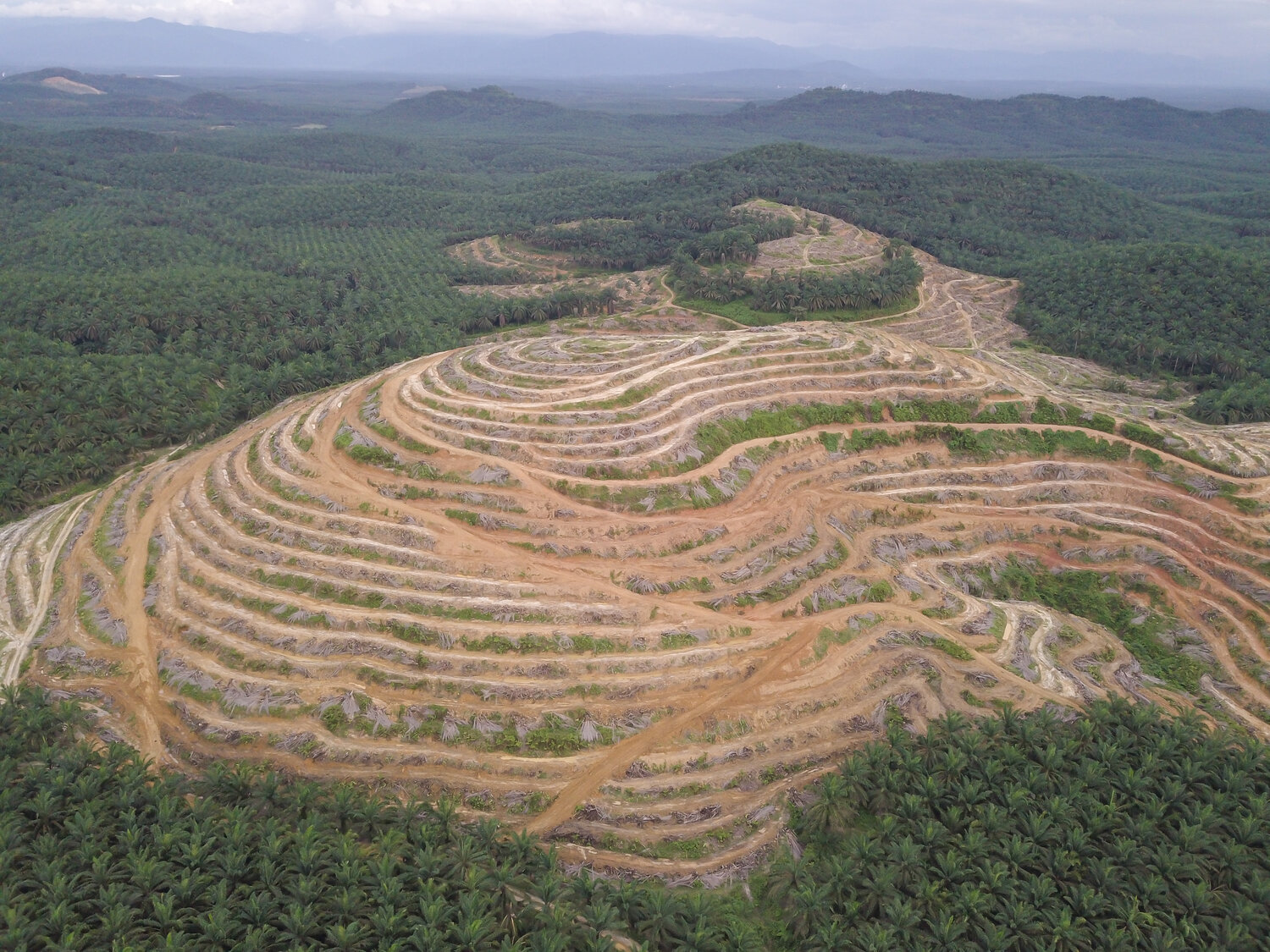
U.S. Customs and Border Protection has modified a Withhold Release Order on palm oil and palm oil products produced by FGV Holdings Berhad, clearing the way for imports after the company completed required forced-labor remediation.