
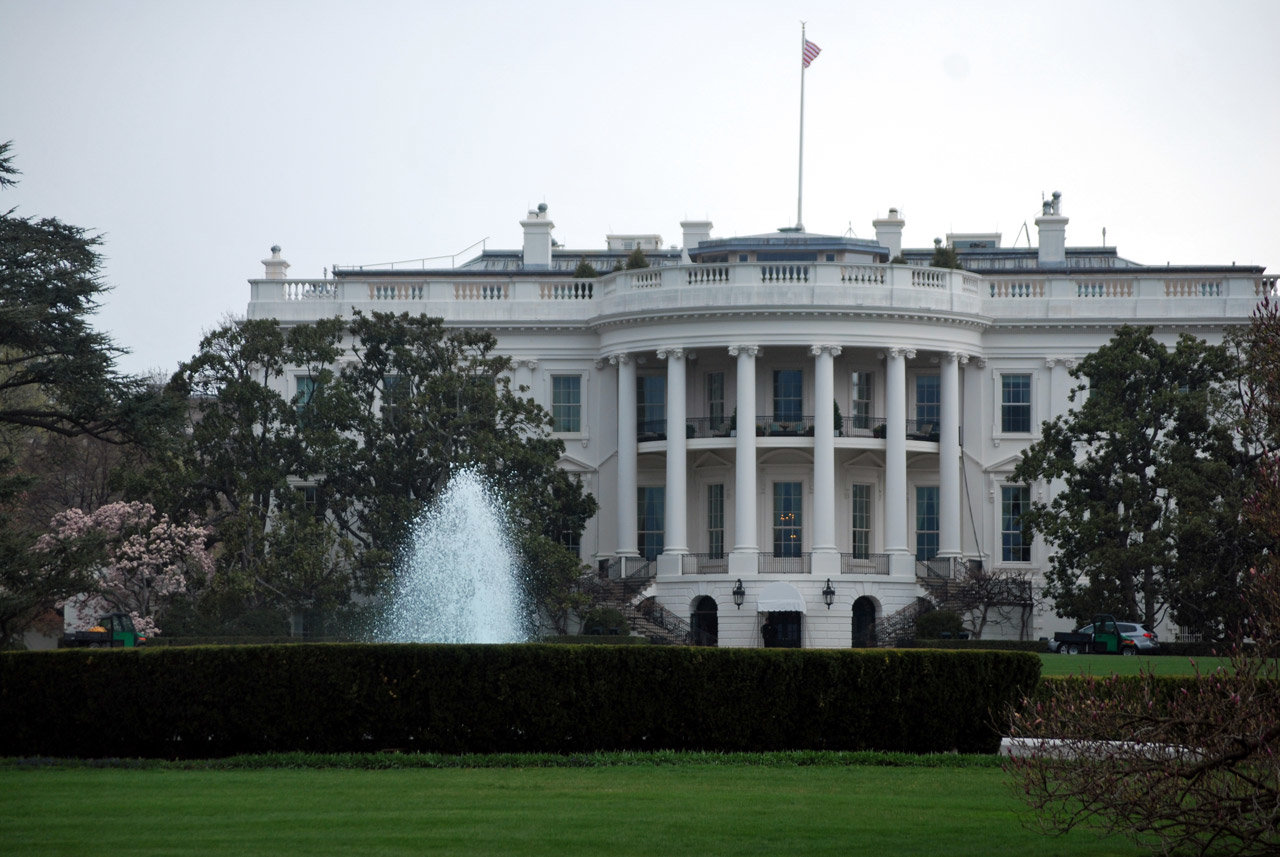
President Trump said last week he is prepared for a “game two” plan if the Supreme Court rules against his tariffs. “I think it'd be devastating for our country, but I also think that we'll have to develop a ‘game two’ plan. We'll see what happens,” Mr. Trump told reporters.

What began three decades ago as a modest United Nations gathering of a few thousand diplomats has become one of the world’s largest annual diplomatic events. The 30th United Nations Climate Change Conference (COP30), opening this week in Belém, Brazil, is not only a test of global resolve on climate action but also a defining moment for Brazil’s international standing.

The African Growth and Opportunity Act (AGOA) lapsed on 30 September 2025 amid the broader government funding impasse, and Congress has not yet coalesced around a vehicle to restore it. The Trump administration has said it would support only a short, essentially “stop-gap” renewal—one year, tied to broader negotiations over Africa policy and market access—which sets a lower ceiling than the long, 10- to 16-year reauthorizations U.S. and African stakeholders had urged earlier in the year.
The White House has formalized the economic framework reached by Presidents Donald Trump and Xi Jinping during their October 30 summit in South Korea, issuing two companion executive orders that suspend tariff escalations and recalibrate duties linked to China’s role in the global synthetic-opioid trade.

he anticipated appointment of Nels Nordquist, a former senior economic adviser to U.S. President Donald Trump, to a top post at the International Labour Organization (ILO) has sparked unease among staff and diplomats, AFP reported this week.
The United Nations Conference on Trade and Development (UNCTAD) called for closer alignment between global trade systems and the Paris Agreement to accelerate the transition to a low-carbon economy and mobilize financing for climate action. The appeal accompanies UNCTAD’s latest Global Trade Update, released ahead of the UN Climate Change Conference (COP30) to be held from November 10 to 21 in Belém, Brazil.
Routine, non-emergency license processing remains largely suspended at both the Commerce and State Departments, though each has resumed limited operations. The Bureau of Industry and Security (BIS) continues enforcement, emergency licensing, and national-security functions with reduced staff, while the State Department’s Directorate of Defense Trade Controls (DDTC) is cautiously restarting essential export activities.
A group of Republican congressmen have asked Commerce Secretary Howard Lutnick to expand investigations by the Office of Information and Communications Technology and Services (OICTS) into Chinese-linked firms active in critical U.S. industries.
Office of Trade Sanctions Implementation has published new guidance on countering Russian sanctions evasion targeted specifically at businesses operating in the freight and shipping sector.
House lawmakers have reintroduced legislation aimed at ensuring U.S. companies receive priority access to advanced artificial intelligence (AI) chips, reviving a proposal that previously failed to advance as part of the National Defense Authorization Act (NDAA).
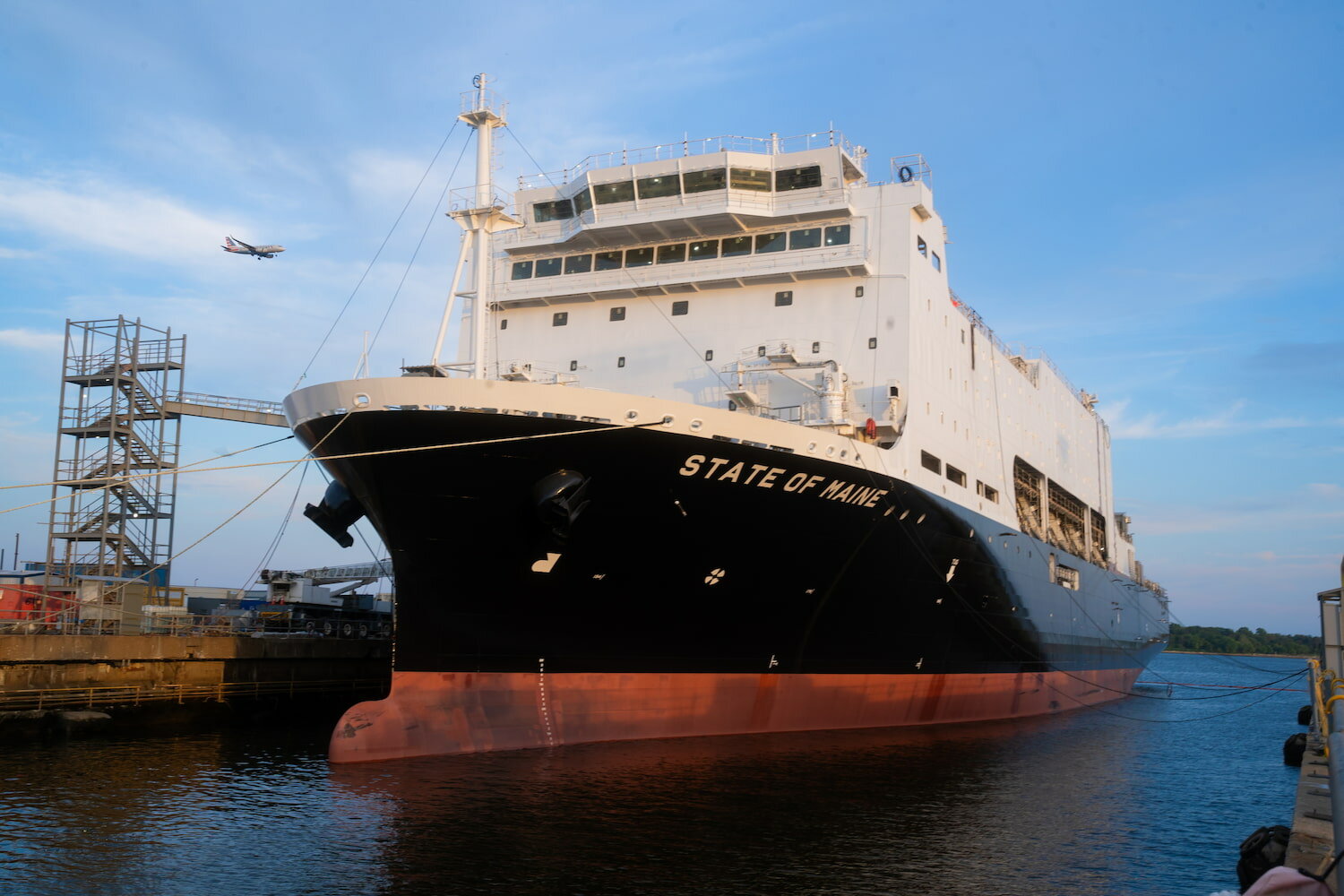
The United States and South Korea finalized a series of landmark agreements spanning trade, investment, shipbuilding, critical technologies, and defense industrial cooperation, marking a significant restructuring of the bilateral economic relationship.
The Senate voted 52–48 on Tuesday to terminate President Donald Trump’s 50 percent tariffs on Brazilian imports, marking the strongest bipartisan rebuke to date of the President’s use of national emergency powers to impose trade restrictions.
In a rare display of institutional defiance—albeit one with no binding consequence—the U.S. Senate this week voted three times to repudiate President Donald Trump’s escalating trade agenda.

The United States has finalized reciprocal trade agreements with Malaysia and Cambodia, formally released by the White House on Sunday, and advanced framework arrangements with Thailand and Vietnam.

Members of the World Trade Organization’s Dispute Settlement Body (DSB) convened on 24 October, where ongoing gridlock over appellate appointments again overshadowed routine proceedings, according to a Geneva-based trade official.
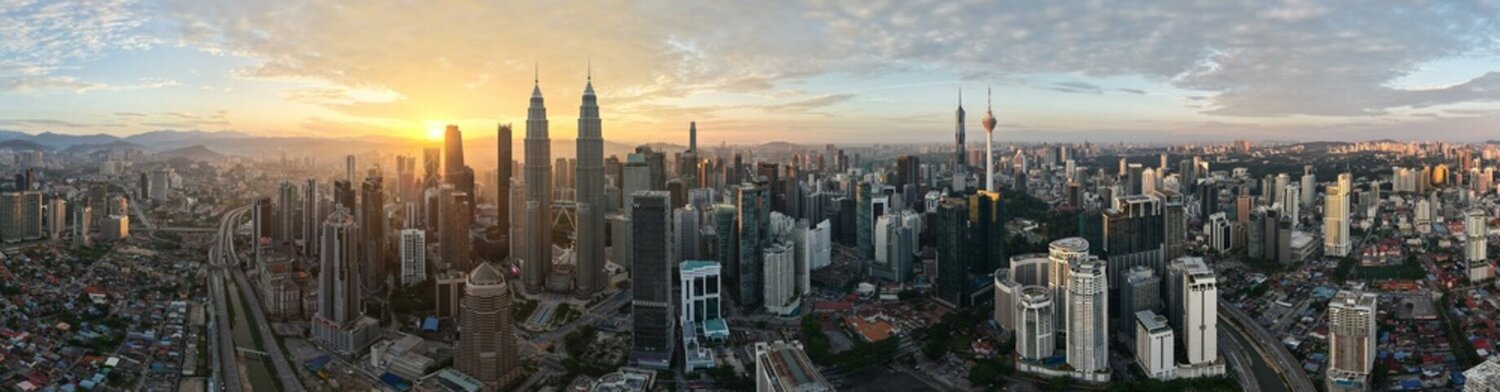
Senior U.S. officials will meet their Chinese counterparts in Malaysia from Friday through Monday for formal consultations on trade and economic policy, marking the most significant in-person engagement between the two governments since tensions escalated over export controls and critical minerals.

South Korea trade negotiations ended this week without agreement, as a proposed U.S.-backed investment fund stalled talks and overshadowed broader strategic cooperation initiatives.
The UN's trade and development flagship meeting wrapped up Thursday evening after ringing alarm bells over debt eroding development gains.
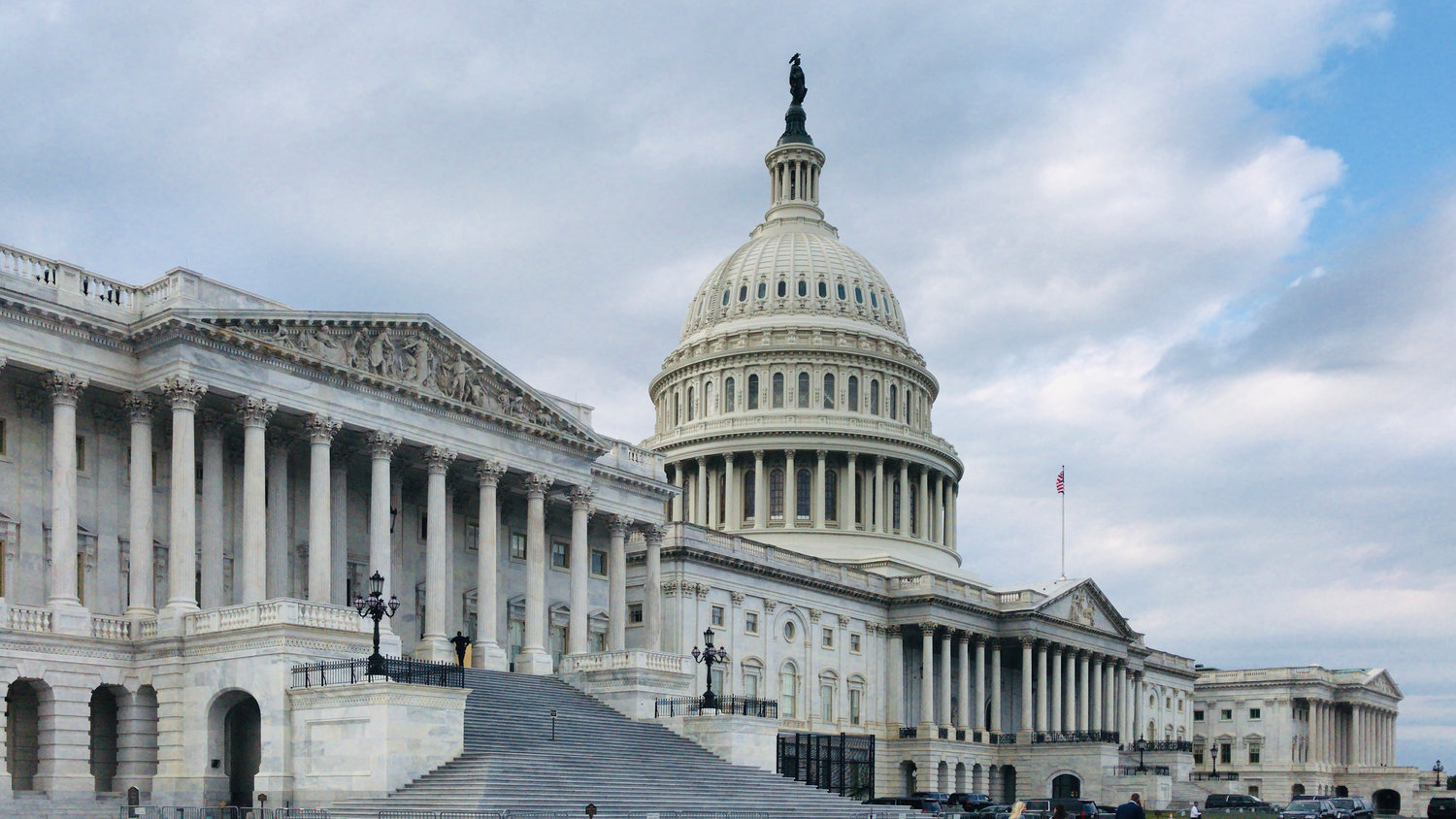
The Senate Foreign Relations Committee on Wednesday approved bipartisan national security legislation aimed at expanding U.S. export controls on China and Russia, strengthening sanctions enforcement, accelerating military cooperation with allies, and directing frozen Russian assets to support Ukraine. Importantly, the committee failed to advance comprehensive Russia sanctions.

Senate Banking Chair Tim Scott (R-S.C.) and Sen. John Kennedy (R-La.) introduced the Streamlining Transaction Reporting and Ensuring Anti-Money Laundering Improvements for a New Era Act (the “STREAMLINE Act”) to modernize Bank Secrecy Act (BSA) dollar triggers that have been unchanged since 1970.