
The Office of the U.S. Trade Representative (USTR) has opened a public consultation in preparation for the July 1, 2026 Joint Review of the United States–Mexico–Canada Agreement (USMCA). As mandated by law, USTR is seeking public comments and will convene a hearing on November 17, 2025 at the U.S. International Trade Commission in Washington

Artificial intelligence could expand global trade in goods and services by an extra 40% by 2040, provided governments bridge digital divides and keep markets open, according to the WTO’s World Trade Report 2025. Director-General Ngozi Okonjo-Iweala said the report poses a central challenge: “The question is whether AI will lift opportunities for all, or whether it will deepen existing inequalities and exclusion.”
Senator Bernie Moreno (R-Ohio) has introduced a measure aimed at discouraging U.S. companies from sending work abroad by imposing steep new taxes on outsourcing arrangements. Observers note the measure could raise outsourcing costs by as much as 85%.
U.S. tariff collections under President Donald Trump’s sweeping trade measures have reached $122 billion since January 2025, according to a tracker published by the Peterson Institute for International Economics. The revenues, though significant in scale, cover only about 6.5 percent of the Congressional Budget Office’s projected $1.9 trillion federal budget deficit for fiscal year 2025.

Britain is preparing to combine royal ceremony with high-stakes negotiations as President Trump arrives next week for a three-day state visit. The prime minister hopes the summit will present Britain as an investment hub and strengthen a partnership to counter China’s technological rise.

The United States faces growing challenges to its economic influence in the Caribbean Basin as preferential imports decline, congressional renewal of Haiti-specific trade programs stalls, and China accelerates its regional engagement. According to the U.S. International Trade Commission’s latest report, imports under the Caribbean Basin Economic Recovery Act (CBERA) totaled $1.8 billion in 2024, a 34.5 percent drop from 2022.
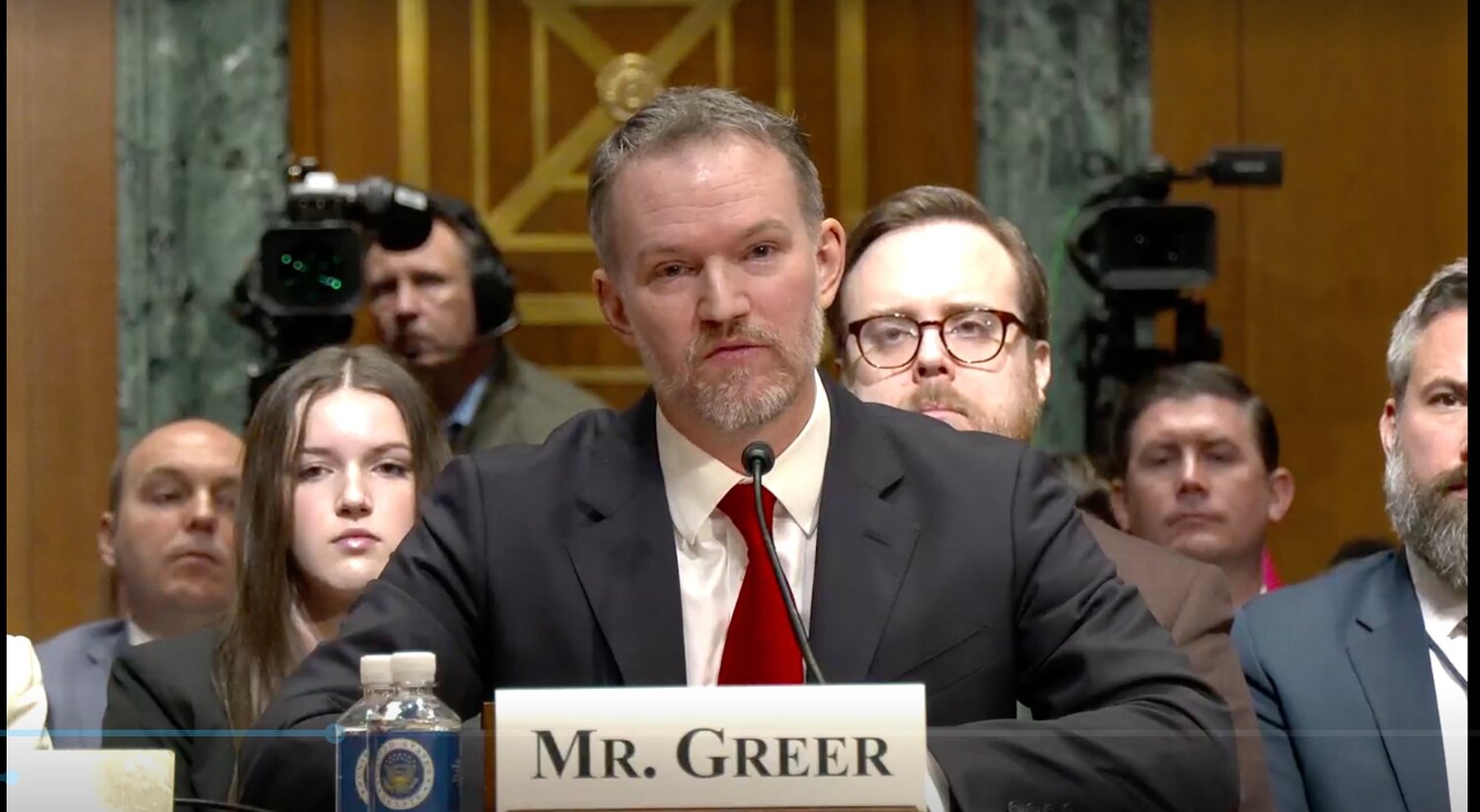
U.S. Trade Representative Jamieson Greer used a keynote address at the National Conservatism conference to argue for a fundamental reorientation of American trade policy toward what he called a “Production Economy,” positioning the agenda as central to both national security and the conservative tradition.

Treasury Secretary Scott Bessent travels to Madrid this weekend to continue negotiations with the European Union, as Washington’s aggressive tariff policy compels allies and partners to weigh new concessions. Japan and South Korea show the challenges of negotiating with Washington, while the Swiss concede that things "had gone as they had."
The Office of the United States Trade Representative (USTR) is inviting public comments to help shape its 2026 National Trade Estimate Report on Foreign Trade Barriers (NTE Report), a key annual survey of obstacles confronting American exporters and investors abroad.

Two congressional reports warn that U.S. universities and research institutions are exposing the nation to security risks through partnerships with Chinese entities tied to the defense sector. Released by the House Select Committee on the Chinese Communist Party (CCP) and the Committee on Education and the Workforce, the reports conclude that academic collaborations have become conduits for technology transfer to Beijing.
The Export-Import Bank of the United States (EXIM) Board of Directors has approved two transactions totaling nearly $792 million to advance oil, gas, and power generation projects in Bahrain and Iraq.

A bipartisan group of House China Hawks has urged the Department of Homeland Security to block Chinese technology firm Alibaba Group from any operational role in the 2028 Olympic Games in Los Angeles, citing national security risks.
The U.S. Census Bureau has issued a Federal Register notice inviting public comment on the extension of the Automated Export System (AES) Program, the electronic platform through which exporters file …
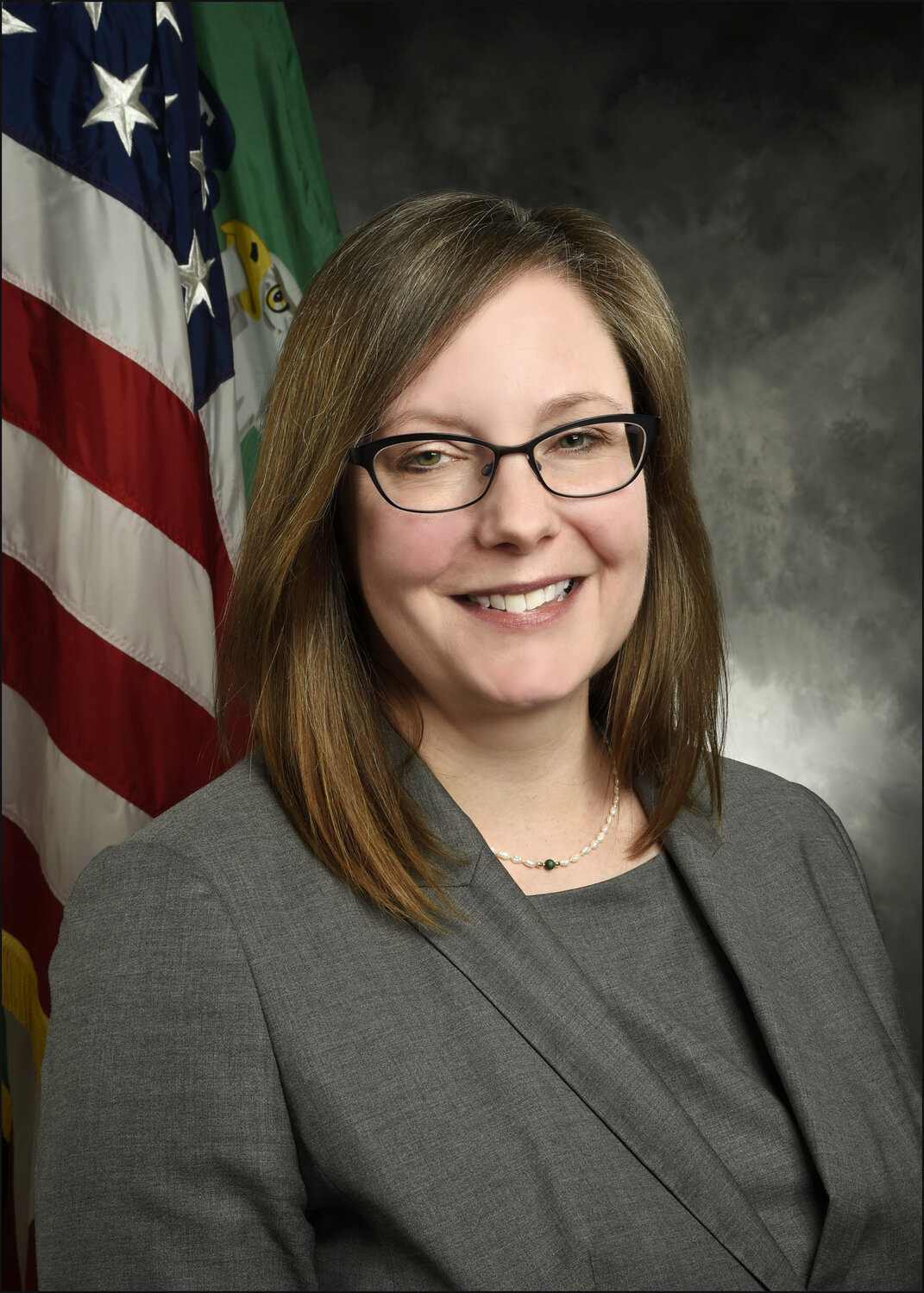
FinCEN Director Andrea M. Gacki told lawmakers Tuesday that the bureau is modernizing anti-money-laundering rules to focus on high-risk threats while easing burdens on U.S. financial institutions, even as it works with Mexico to reform cartel-linked banks.

President Trump on Friday signed an executive order establishing a new framework to punish foreign governments that wrongfully detain U.S. citizens. While welcomed by prisoner advocates, concerns about implementation persist.
The White House has moved to narrow the scope of President Donald Trump’s sweeping reciprocal tariffs, exempting certain imports from duties while subjecting others to new charges. The revisions, announced in a September 5 executive order and effective today, represent the administration’s first major step back from the global tariff regime imposed in April.

The Trump administration reacted to the Federal Circuit’s ruling against the global “reciprocal” tariffs and other emergency duties this week, filing its appeal to the U.S. Supreme Court on Wednesday, a move that trade observers have expected since wine importer V.O.S. Selections Inc. and others launched their suits contesting the levies. The question now is how the high court will handle the petition, and how the administration will respond if the justices back the lower courts’ decisions.

The United States and Japan have finalized a trade accord that lowers U.S. tariffs on Japanese imports to 15 percent, easing from threatened rates of up to 27.5 percent. Unusually, President Trump will personally select the projects that receive funding from the $550 billion investment package.

The European Commission has formally proposed the conclusion and signature of two major trade agreements: the EU-Mercosur Partnership Agreement (EMPA) and the EU-Mexico Modernised Global Agreement (MGA). The proposals aim to deepen economic and political ties with “trusted partners” in Latin America, aligning with the EU’s broader strategy of trade diversification and supply chain de-risking.
Akin Gump’s Lobbying and Public Policy Group reports that five U.S. states enacted so-called “Baby FARA” laws in 2025, significantly expanding disclosure requirements for individuals and entities lobbying on behalf of foreign principals—especially those tied to adversarial nations.