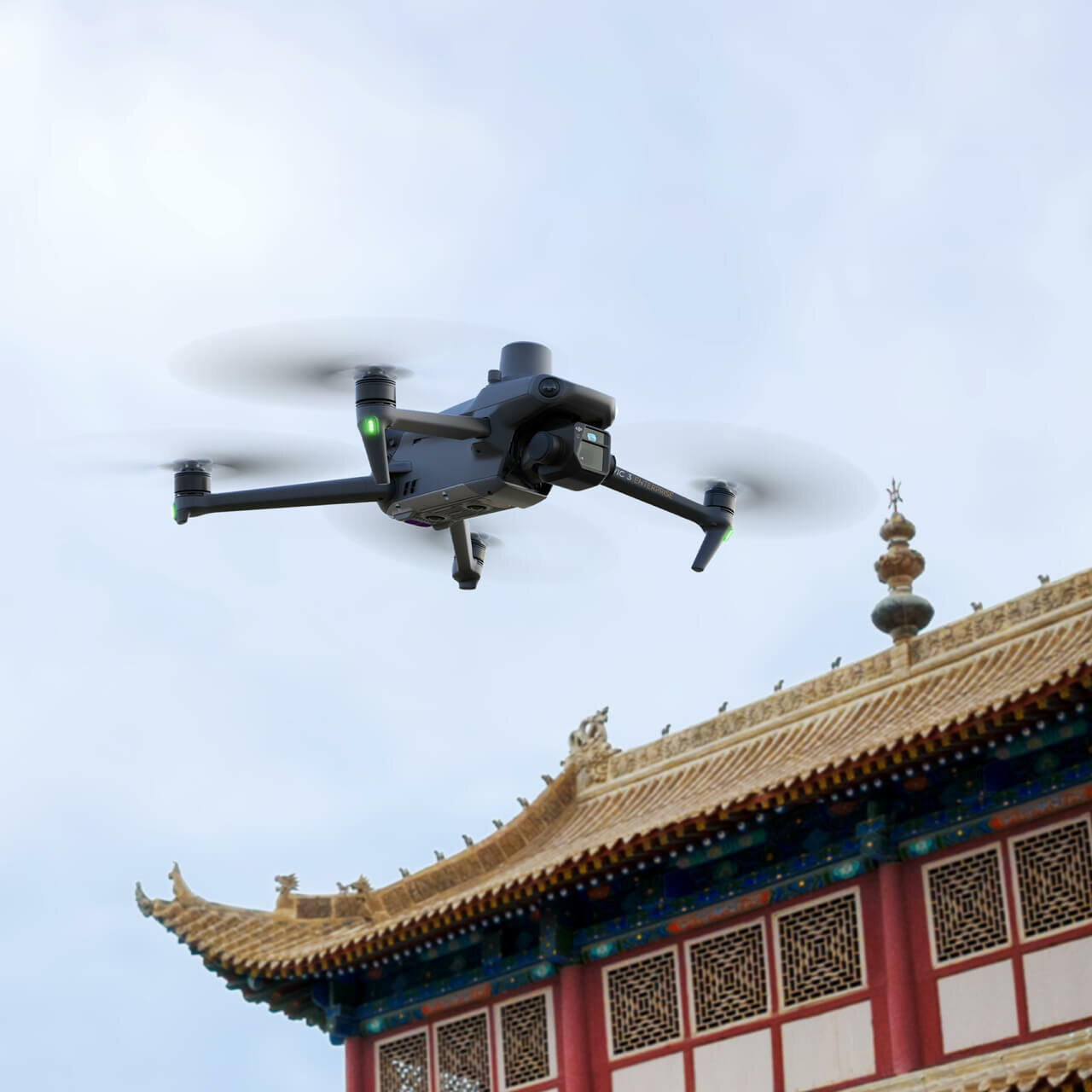
Congressional China hawks called for the Commerce Department to include Chinese drones in evolving regulations for connected vehicles. "With UAVs’ connected software and hardware posing similar national security threats to those of other identified connected vehicles, such transactions present undue and unacceptable risks to U.S. national security," the lawmakers wrote.
After Chinese fast fashion powerhouse pulled its plans to list shares in the US, Congressional bedevilment persists. Senator Marco Rubio (R-FL) sent a letter to the U.K. Chancellor of the Exchequer, Jeremy Hunt, informing him of SHEIN’s reported human-rights abuses and exploitation of trade loopholes and the risks these tactics pose to businesses and investors. The letter urges Hunt to investigate SHEIN thoroughly before allowing the company to list on the London Stock Exchange.
A renewed urgency has gripped Capitol Hill's China hawks to call for the Chief of the U.S. Patent & Trademark Office (PTO) to report on patents issued to Chinese inventors. In place since the Carter Administration and renewed every five years, the United States - China Science and Technology Agreement (STA) "is a vector to give the PRC access to U.S. dual-use research and presents a clear national security risk...The Biden Administration must stop fueling our own destruction and allow the STA to expire," the lawmakers write.

At the IPEF Clean Economy Investor Forum participants "identified $23 billion of priority infrastructure projects for consideration" at the inaugural meeting in Singapore June 6. Among the major committments announced were cloud computing, data center and submarine cable projects, India's first battery energy storage system, a carbon capture scheme in Singapore, and several hundred million dollars of U.S. International Development Finance Corporation (DFC) funding to investment funds in the region.

Congressional Republican China hawks have called for a comprehensive ban on trade and investment dealings with two leading manufacturers of electric vehicle battery systems, Led by the new Chair of the House Select China Committee John Moolenaar (R-MI), the lawmakers wrote letters detailing "shocking new evidence implicating major Chinese battery manufacturers, Gotion and CATL, in Chinese Communist Party state-sponsored slave labor and the ongoing Uyghur genocide." The letters to Mr. Silvers detail supply relationships between the two firms and mineral, metals and labor providers currently under US sanction for their involvement in modern slavery in the Xinjiang Uyghur Region of Western China.
The Five Eyes Security Alliance issued a joint bulletin warning about continued efforts by the People’s Republic of China (PRC) to recruit current and former Western military personnel to train the PRC military. "The most sought-after targets to-date have been military pilots, flight engineers, and air operations center personnel. The PRC has also targeted technical experts with insight into Western military tactics, techniques, and procedures," according to the bulletin.
In an Opinion piece published in The Financial Times, Deputy Treasury Secretary Adeyemo continued his call for more diligence on the part of allies, industry and the banking community. "It is important to recognise that the success of our sanctions and export controls is only possible because of a partnership with the private sector. Companies have already done a great deal to help us constrain the Kremlin’s access to goods, but we need them to do more." Mr. Adeyemo said he was not faulting U.S. manufacturers and banks as complicit in Russia's efforts to evade sanctions. "Every time I talk to a major CEO, they ask me what more can they do?
U.S. Customs and Border Protection (CBP) is renewing the Automated Commercial Environment (ACE) Export Manifest for Vessel Cargo Test, a National Customs Automation Program (NCAP) test concerning ACE export manifest capability. The ACE Export Manifest for Vessel Cargo Test is a voluntary test in which participants agree to submit export manifest data to U.S. Customs and Border Protection (CBP) electronically at least twenty-four hours prior to loading of the cargo onto the vessel in preparation for departure from the United States.

The Ninth annual Nordic-Baltic + U.S. Cyber Consultation (NB8 + U.S.) met in Tallinn, Estonia on May 28. U.S. Deputy Assistant Secretary of State for International Cyberspace Security Liesyl Franz led the U.S. delegation and advocated the United States’ International Cyberspace and Digital Policy Strategy.
Twelve GOP lawmakers sent a letter to U.S. Treasury Secretary Janet Yellen calling on the Office of Foreign Assets Control and Financial Crimes Enforcement Network to investigate six People's Republic of China (PRC) companies, including two of the largest oil companies in the PRC. .The apparent intent is to discourage US investors from owning shares in the firms, several of which are included in East Asian Stock Indexes.

A bipartisan group of lawmakers are urging President Biden to act on a new law allowing him to seize frozen Russian assets and give them to Ukraine for reconstruction ahead of the G7 finance ministers’ meeting. The lawmakers asked for a briefing by June 1 on the progress of talks being led by the National Security Council to encourage G7 and European Union partners to find creative mechanisms for using Russian sovereign funds frozen in their respective jurisdictions.
Wednesday the House Foreign Affairs Committee passed H.R. 8315, the “Enhancing National Frameworks for Overseas Critical Exports Act” (ENFORCE Act) 43-3, with broad bipartisian support. Introduced by Rep. Michael McCaul, the bill expands the authority of the BIS to control the export of Artificial Intelligence Systems.
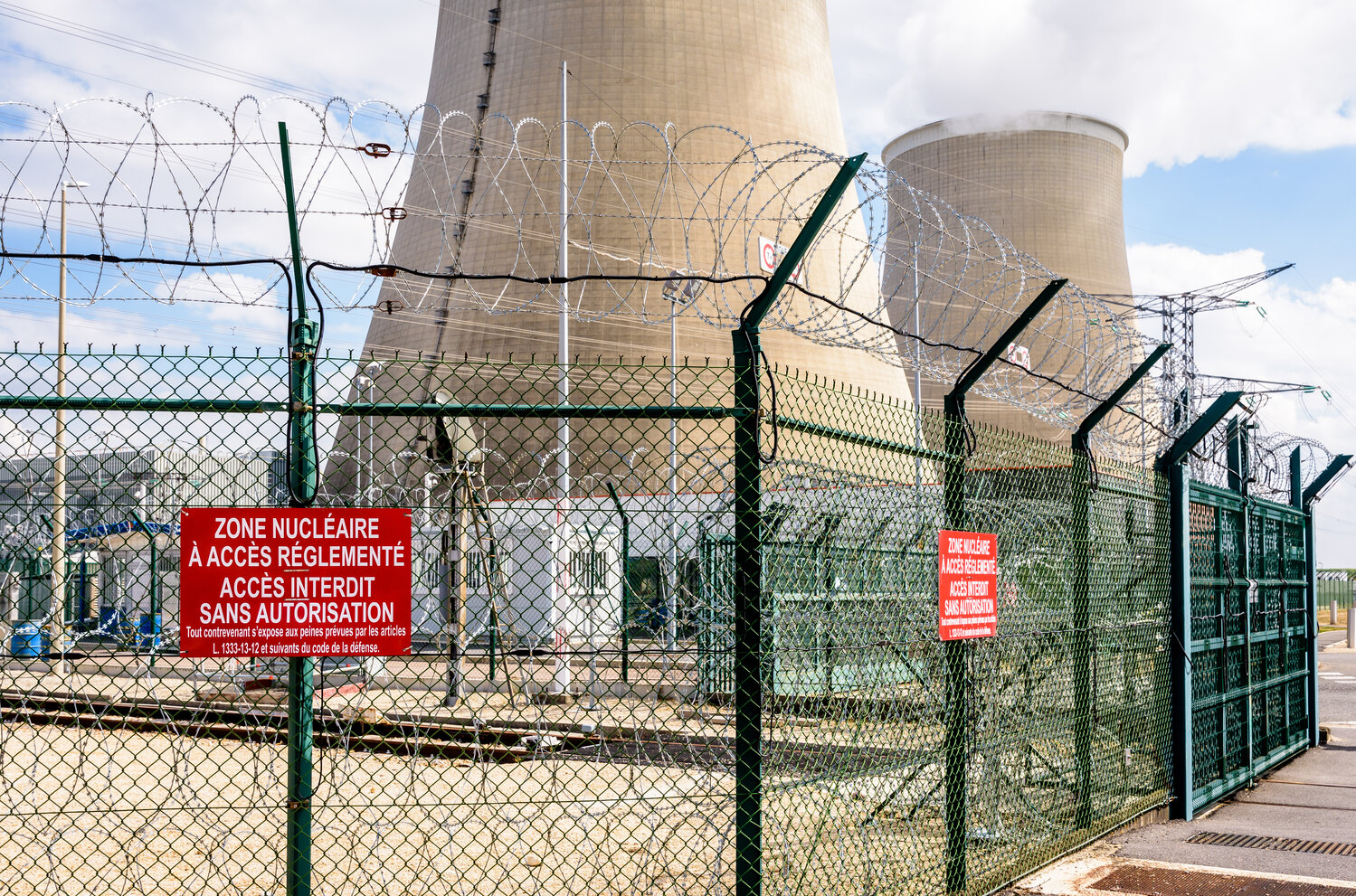
A report from the GAO notes the challenges facing nonproliferation safeguards efforts due to limited funding if the International Atomic Energy Association (IAEA) and a growing set of threat opportunities.

Treasury Secretary Janet Yellen convened with German bankers on Tuesday. The roundtable discussion focused on global macroeconomic trends, the risks to financial security, and the impact of multilateral sanctions against Russia. She asked bankers to be more proactive in their adherence to sanctions restrictions, and to impress the same upon their affiliates and correspondents. In remarks to the Frankfurt School of Finance and Management the day prior, Yellen defended the Boden Administrations efforts to rebuild the transatlantic alliance. "Put simply, the transatlantic alliance has delivered for Americans, Europeans, and many others. And the United States has been committed to advancing it—through multilateralism, most notably through the G7, NATO, and U.S. relations with the EU—and through bilateral relationships between the U.S. and European countries, including, of course, with Germany.
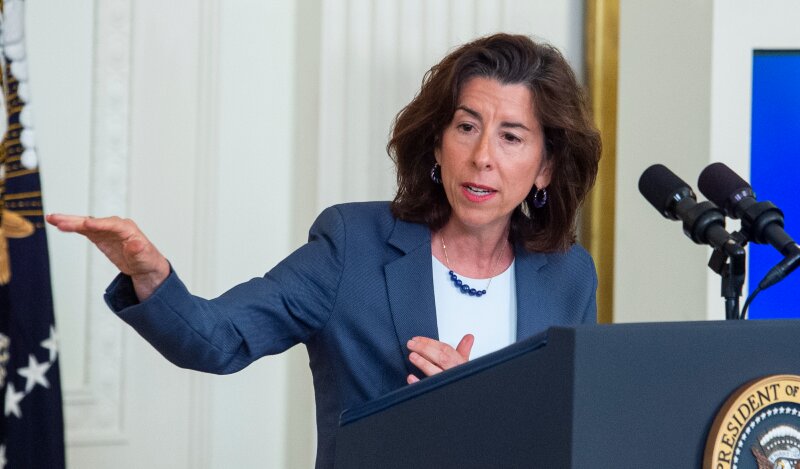
At the opening of the AI Seoul Summit, Secretary of Commerce Gina Raimondo released a strategic vision for the U.S. Artificial Intelligence Safety Institute (AISI), describing the department’s approach to AI safety. Raimondo also shared the department’s plans to work with a global scientific network for AI safety through meaningful engagement with AI Safety Institutes and other government-backed scientific offices.
Sen. Elizabeth Warren (D-Mass) and three House Democrats criticized the Commerce Department for what they say are inadequate steps to address assault weapons exports. At the same time, the lawmakers praised the US Trade Representative’s Office for no longer classifying as trade barriers import license requirements for explosives, firearms and ammunition in its latest National Trade Estimate report.
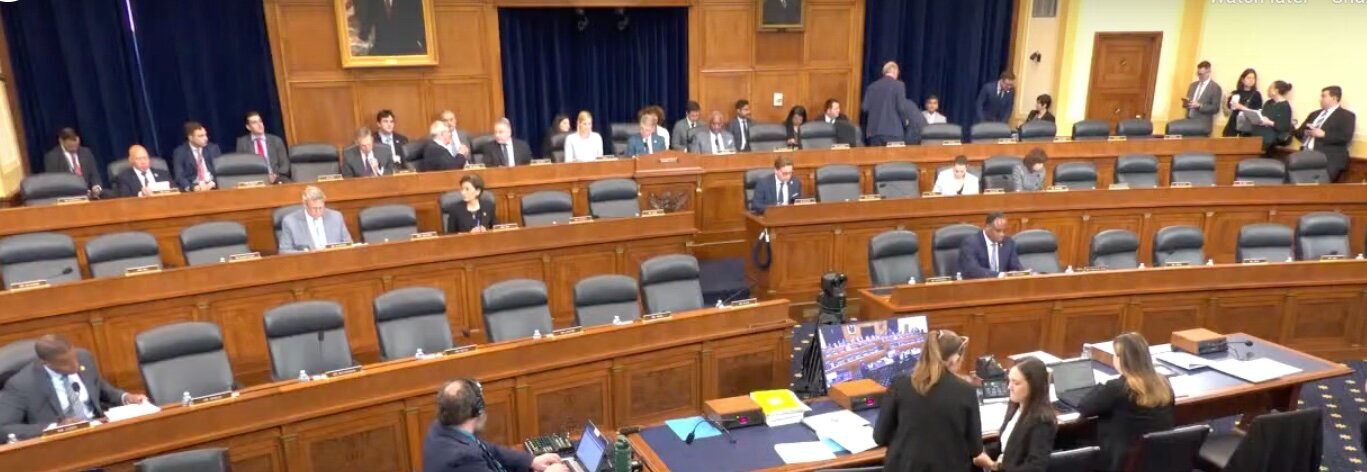
The House Foreign Affairs Committee held a markup to consider various measures on Thursday, May 16th.

A bill has been introduced in Congress to close a loophole in U.S. export control laws that is being exploited by China, according to its sponsors. The Remote Access Security Act will ensure …
House China Hawks introduced the “Enhancing National Frameworks for Overseas Critical Exports Act” (ENFORCE Act), modifying the Export Control Reform Act of 2018 (ECRA) The ENFORCE Act amends ECRA to give BIS the authority to export control-covered AI systems.
A bipartisian group of lawmakers has introduced BIOSECURE Act, a bill to ensure American patient data and taxpayer dollars do not fall into the hands of foreign adversaries' biotechnology companies of concern by prohibiting Federal contracting with these companies. The Chinese Communist Party's (CCP) national security laws require all Chinese firms to share any requested data with the CCP, including biotechnology companies that collect, test, and store American genomic data.